
Local and global patterns in fisheries-induced evolution
PI: Jan Dierking, typo3/#_msocom_1 c-PI: Thorsten Reusch ; with the help of project technician Hendrik Schulz, Master student Laura Elsbernd
This project, funded by the Future Ocean Cluster of Excellence Research topic “Ocean Resources”, is interested in two little explored but potentially very important aspects of fisheries induced evolution (FIE), namely (1) the role of environmental selection relative to fishing induced selection, and (2) its global (economic) consequences. In this context, FIE refers to (genetically based) shifts towards earlier reproduction and smaller size caused by “Fishing out the big ones” and increased mortality rates from fishing (Figure 1). Such trends have now been observed in many fish stocks, and provide some of the best examples of rapid evolution within just a few generations.
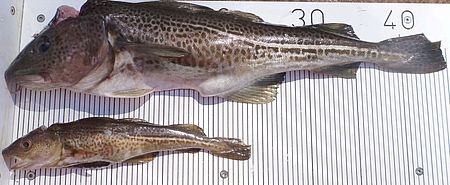
Figure 1 Two mature cod males (45 cm and 24 cm) caught during the May 2012 Bornholm Basin fisheries cruise of our group. Average size at maturity has shown a declining trend in this stock
To address (1), we are exploiting a unique long-term (1986-today) integrated data-series of the Baltic Sea Bornholm Basin cod stock, arguably one of the most interesting cod populations worldwide from an evolutionary and ecological perspective.[1]
This series has been collected by our group and Danish collaborators from the DTU Aqua over the past 27 years, much of it on GEOMAR research vessels including the RV “Alkortypo3/#_msocom_1 ”, and comprises >60.000 individual fish data sets including otoliths, egg and larval abundances, and fine-scale oceanographic (salinity, oxygen, temperature) and foodweb information. The Bornholm Basin stock has experienced heavy fishing that should in principle lead to FIE, but the peculiar environment of this basin, with its combination of low salinity (à low water density) and anoxic deep water layers on the spawning grounds, can lead to complete loss of eggs with low buoyancy. Selection should then favor large females, which have larger eggs with higher buoyancy
How is Bornholm Basin cod faring under these two strong, opposing selection pressures ?
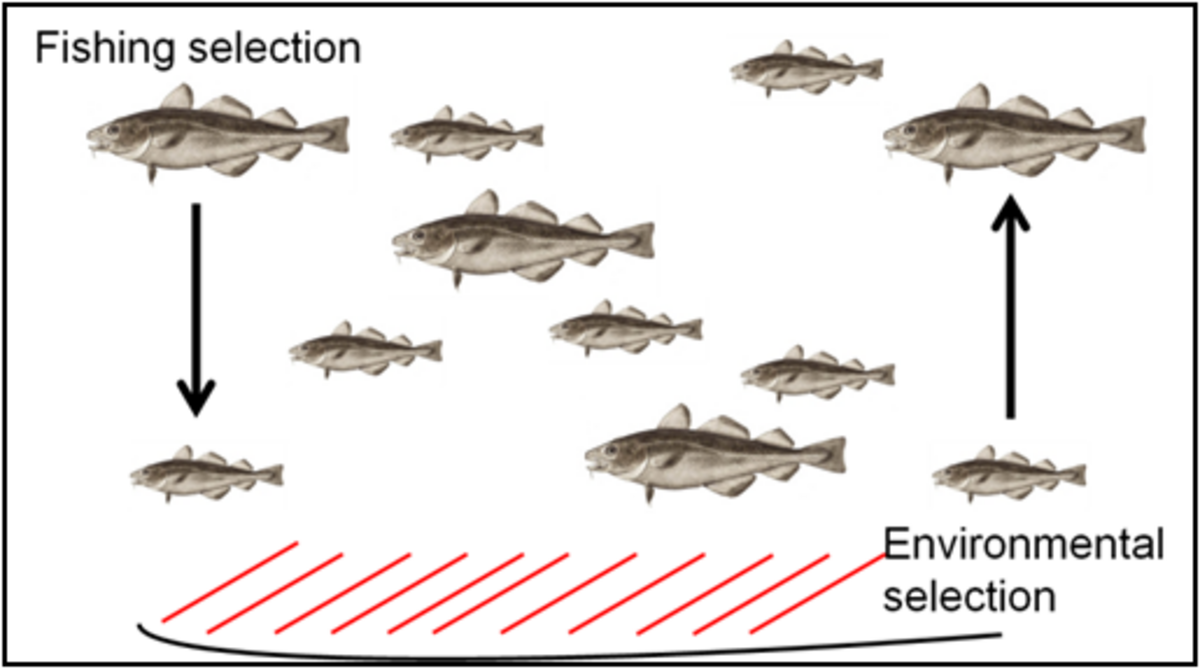
Figure 2 Potential selection pressures on Bornholm Basin cod. Fishing pressure should select for small size and early maturity, whereas high mortality of eggs of small individuals (which have lower buoyancy and sink into anoxic layers, red diagonal lines) should favor large size
Specific questions include whether the highly variable survival of eggs of all but the largest females (related to anoxia) induces temporal changes in effective population size Ne (i.e., the number of individuals contributing to reproduction), and whether egg buoyancy acts as factor enforcing reproductive isolation between populations (in collaboration with oceanographer Hans-Harald Hinrichsentypo3/#_msocom_1 and fisheries biologists Christoph Petereit and Burkhard von Dewitz, EV). As initial step, we have made the potential of the sample- and dataset accessible (à database completion; optimization of DNA yields from otoliths; population biology of samples to confirm temporal stability of the Bornholm Basin stock using SNPs (collaboration with Einar Nielsen’s group, DTU Aqua Silkeborg) and microsatellites, continuation of cruises to extend the data series (Figure 3)
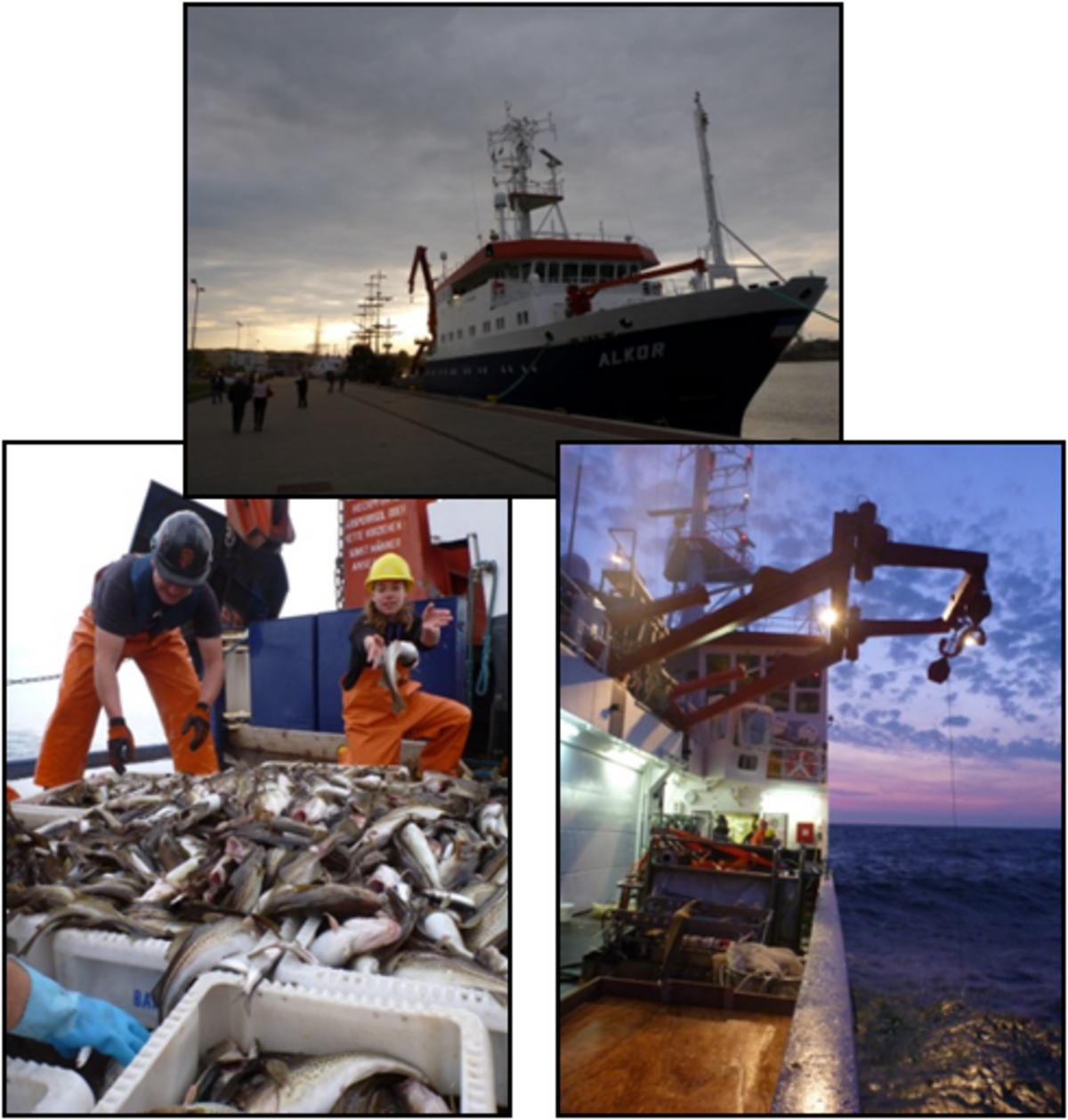
Figure 3 Impressions from our Bornholm Basin cruises (fisheries and oceanographic work) with RV Alkor conducted at three different times per year to expand the cod long-term data series.
Regarding (2), in a more global approach, together with economists Martin Quaastypo3/#_msocom_1 and Till Requate typo3/#_msocom_2 (Department of Economics, CAU) and co-workers, we are contributing to two manuscripts assessing consequences of FIE, “Economic costs of fisheries-induced evolution” and “Status of the world fish stocks in 2048”.
back