Working Group: Algal Adaptation
Research Area and Focus
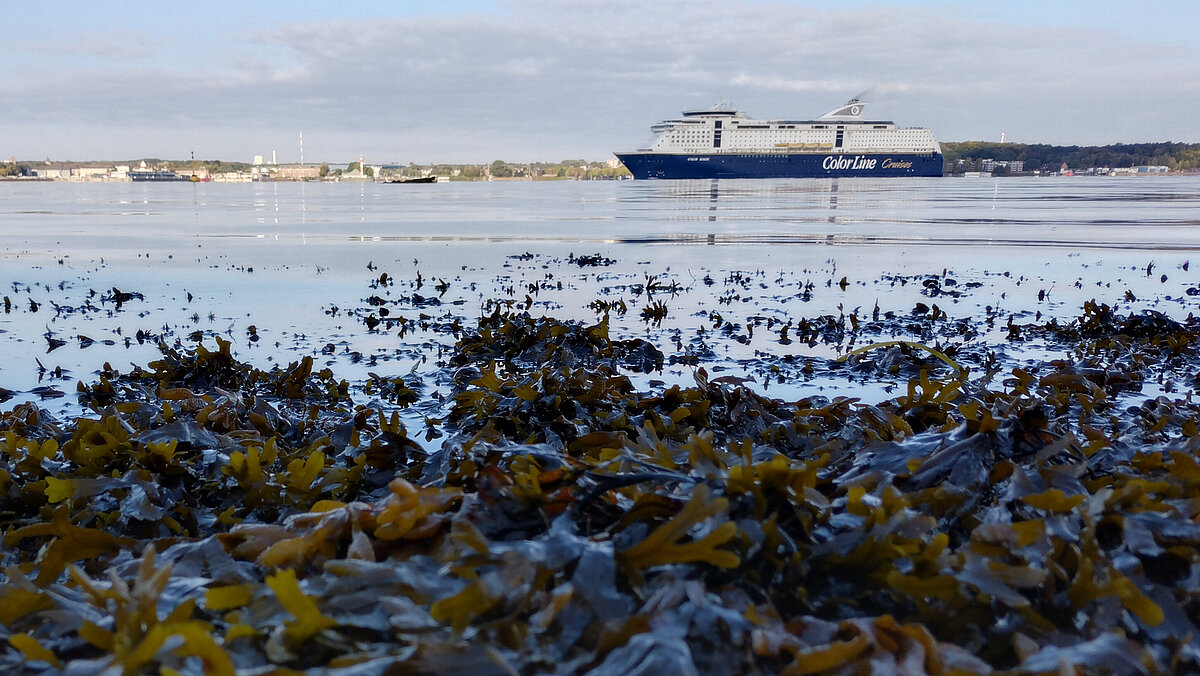
Large brown macroalgae are foundation species for highly diverse and productive ecosystems along rocky coasts of temperate and Arctic latitudes. As the distribution of these marine forests and meadows is mainly constrained by temperature, ocean warming and increasingly frequent and intense marine heatwaves are reducing the size and diversity of populations, ultimately leading to local extinctions especially at species’ warm range edges.
Recently, documentations of climate change effects on natural ecosystems and isolated organismic responses to single or few interactive environmental variables have increased our understanding of the resilience of brown algae ecosystems. However, to learn how these organisms may adapt to comprehensive environmental disruptions, holistic approaches employing the entire life cycle and different levels of biological organization are necessary.
Our aim is to fundamentally understand the natural variation of brown algal stress tolerance from molecules to ecosystems, to (1) estimate the adaptive capacity of the ecosystem as a whole and to (2) allow informed decisions on protective and restorative measures.
To this end, we are conducting experiments in the wild, in near-natural communities in GEOMAR’s state-of-the-art mesocosm facilities (https://www.geomar.de/en/discover/kiel-benthocosms) and under controlled laboratory conditions. Combining eco-physiological phenotyping techniques, population genomics and transcriptomics, we investigate how brown algae respond to climate change within their natural communities and in isolation. We describe the variability of key traits and examine artificial selection and breeding as tools to potentially reinforce natural ecosystem resilience.
Team
Dr. Daniel Liesner (group leader)
Dr. Stefanie Ries (PostDoc, ROVKA) – Genetic structure and connectivity of shallow and deep Baltic brown algae populations
MSc Shen-Chian Pei (PhD student, FUBLUC) – Identifying the genomic basis of heat tolerance in Baltic Fucus vesiculosus
BSc Payton Schwengel (MSc student, University of Bremen) – Tolerance to winter cold spells in Baltic Fucus vesiculosus microhabitats
BSc Ina Bühler (student assistant, FUBLUC, University of Kiel) – Support in HMW DNA isolation and heat selection experiments
Alumni
Kari Kaphegyi (MSc student, University of Innsbruck) - Carbon source or sink? A carbon budget of Fucus meadows in the Baltic Sea
Bastian Tremmel (BSc student, University of Freiburg) - Determining the thermal limits of Baltic Fucus species in static and dynamic scenarios
Projects
FUBLUC Bladderwrack (Fucus) as a Blue Carbon sink in the Baltic Sea
The FUBLUC project aims at quantifying the role of Baltic bladderwrack (Fucus vesiculosus) in the coastal carbon cycle. Our aim within the project is to identify how well Baltic Fucus vesiculosus is adapted to a changing climate. Employing populations from different thermal microhabitats, we aim to identify potential local adaptation and artificially select for individuals with increased heat tolerance. These will be characterised in depth, correlating genotype and gene expression to physiological phenotypic traits.
ROVKA
Reefs in the Baltic Sea – Occurrence and climate protection capacity of Fucus and Saccharina in the German exclusive economic zone
The ROVKA project aims at quantifying the extent and carbon storage potential of deeper Baltic reefs formed by serrated wrack (Fucus serratus) and sugar kelp (Saccharina latissima). Our aim within the project is to describe the genetic diversity and population structure between and within shallow and deep communities of brown algae. Knowledge about genetic resources and potential physical barriers will allow to inform future management decisions in these valuable habitats.