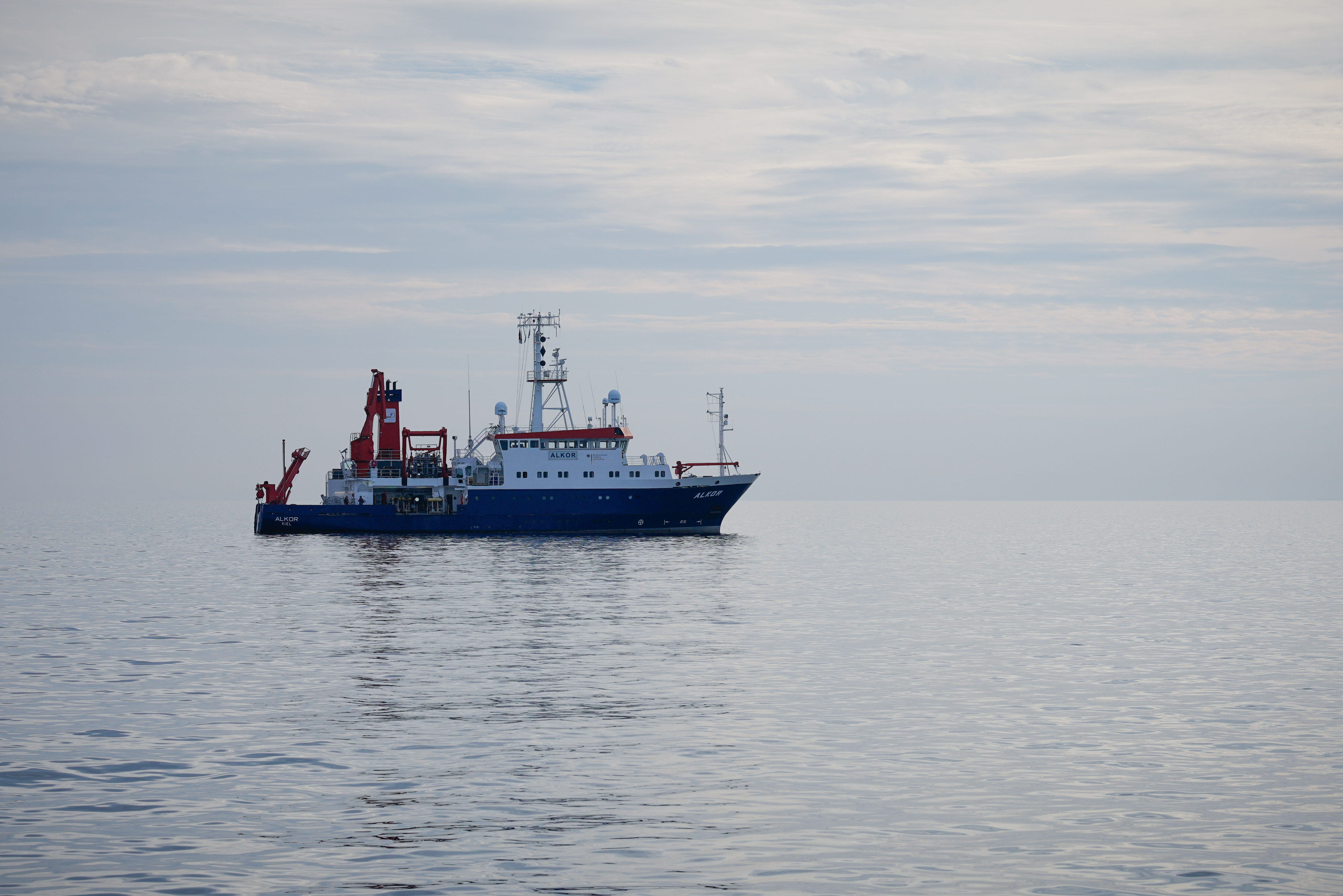
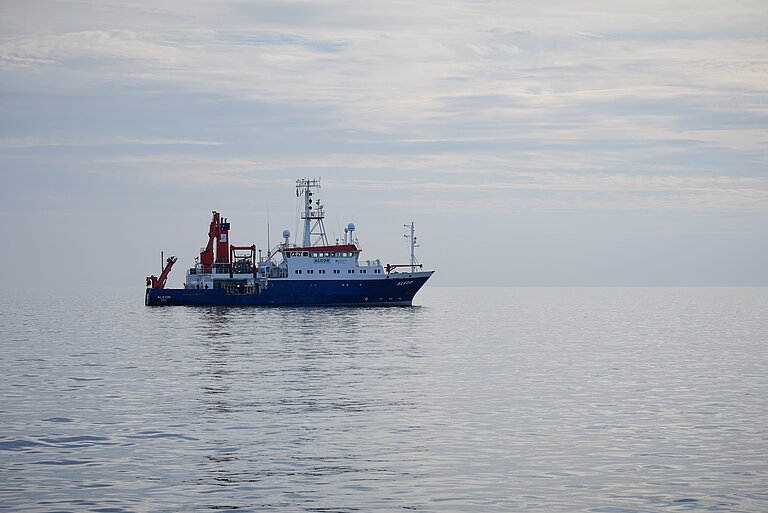
A team from GEOMAR set sail on the Alkor for an expedition in the Baltic Sea. The expedition's objectives include investigating the impact of marine protected areas on fish stocks and food webs.
Photo: Julia Gehringer
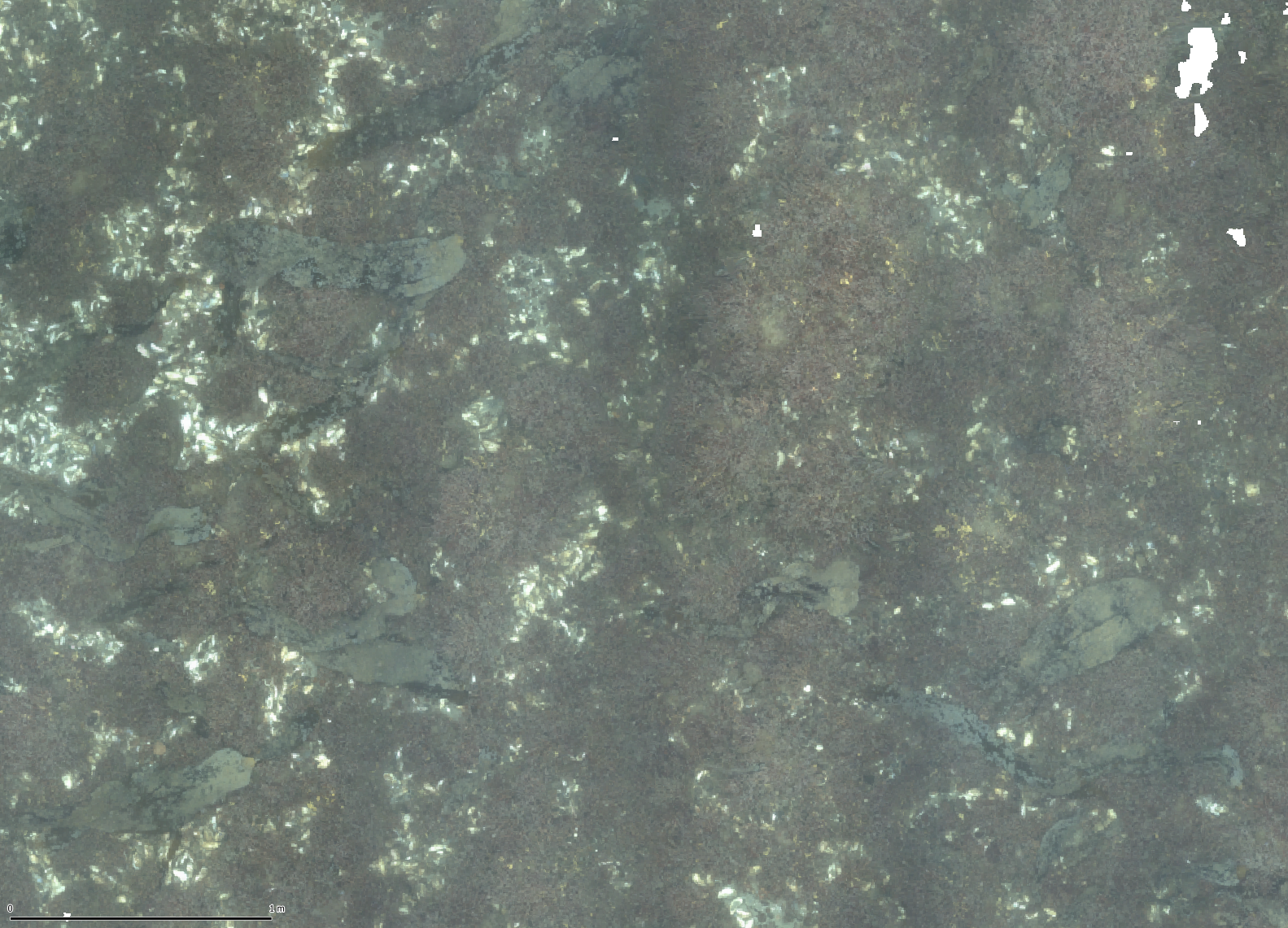
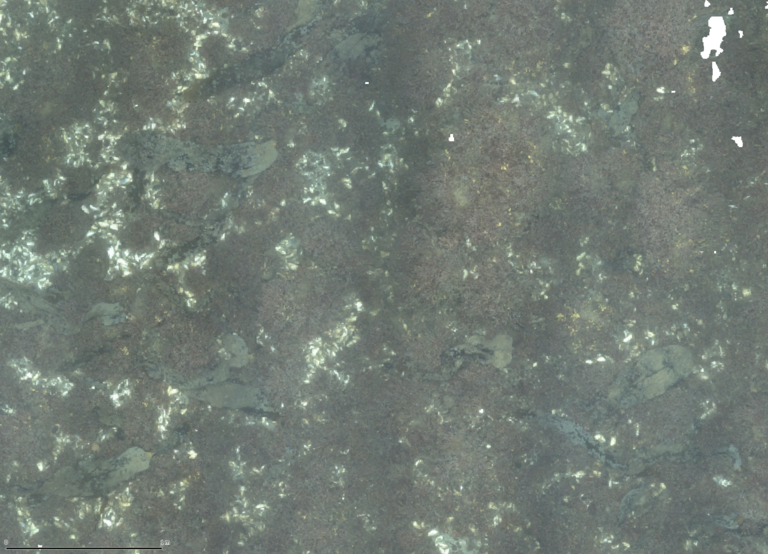
This photo mosaic was created using data from seafloor mapping in the Fehmarnbelt Marine Protected Area. The distribution of two species of brown algae is being documented in order to monitor their development. Both species could play an important role as carbon sinks.
Photo: AUV Team, GEOMAR
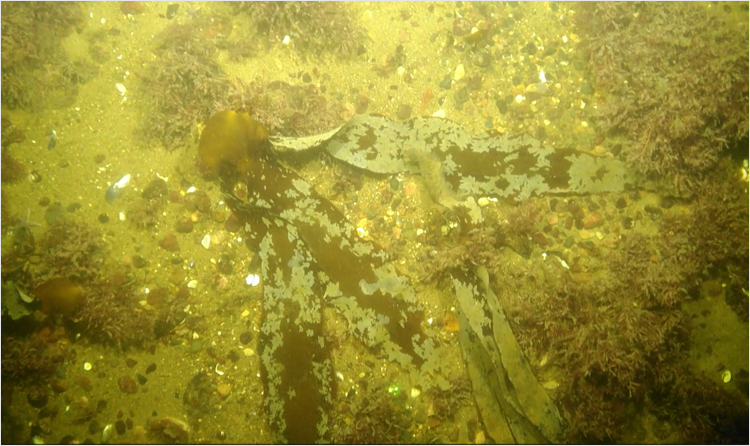
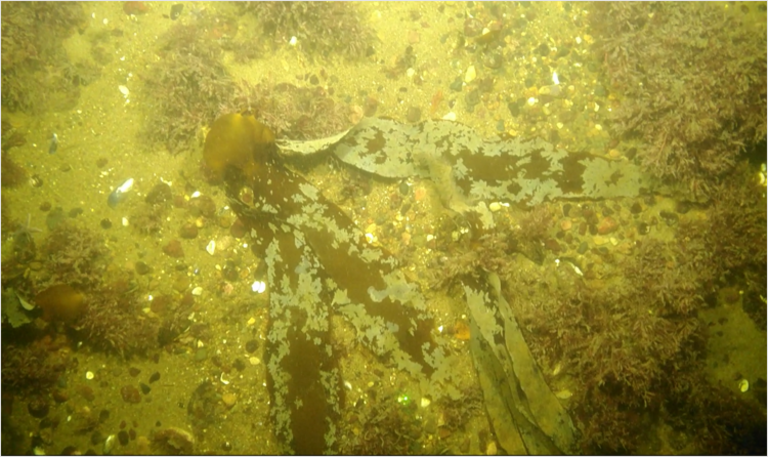
Like the serrated wrack (Fucus serratus), sugar kelp (Saccharina latissima) primarily grows on stony reefs.
Photo: Deep Sea Monitoring Group, GEOMAR
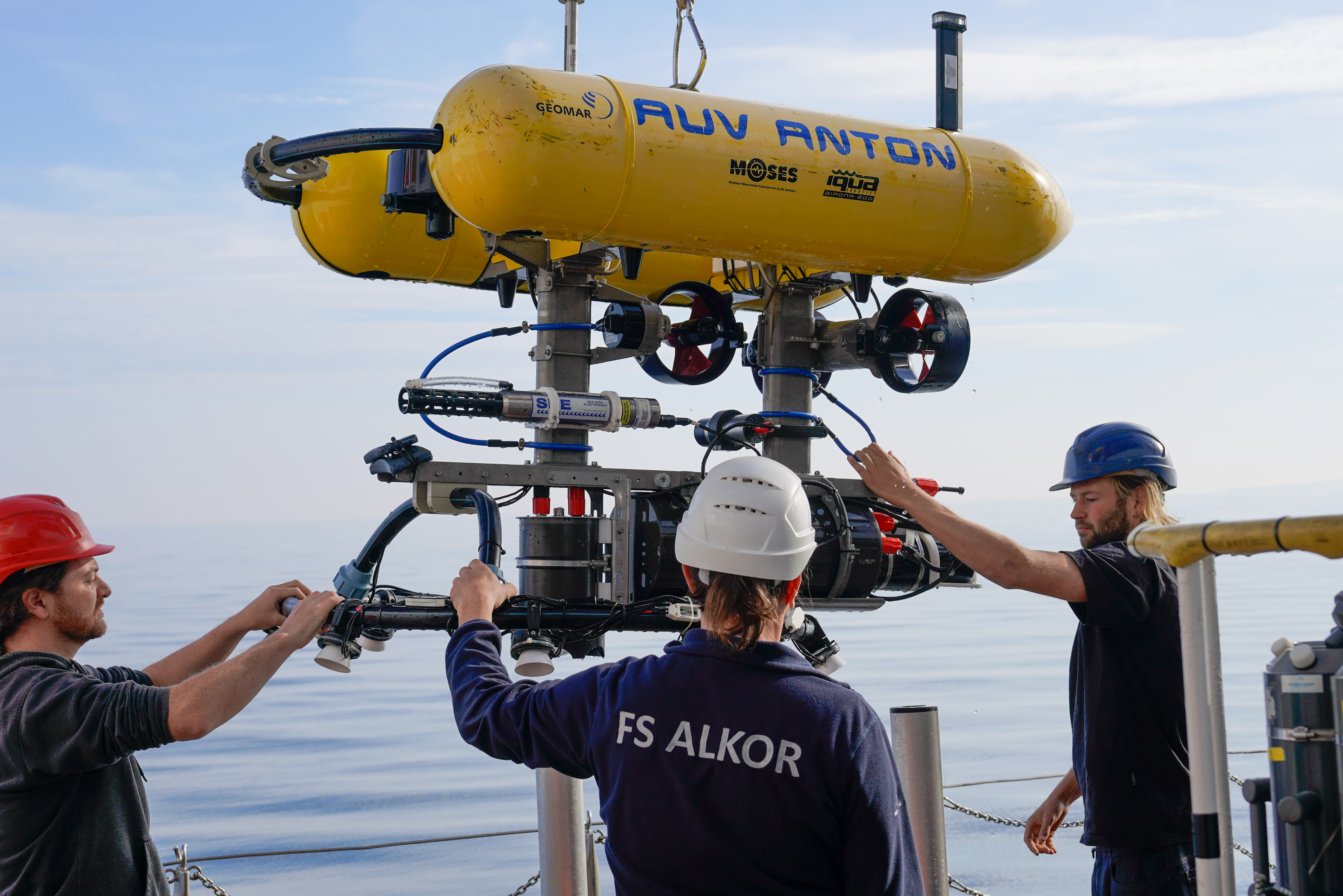
Autonomous Underwater Vehicles (AUVs) will map the seafloor using sonar systems and cameras.
Photo: Julia Gehringer
Better life under protection?
ALKOR expedition AL652 investigates fish communities and algae in the Baltic Sea
Do marine protected areas improve the ecological condition of fish populations? How do movement patterns, habitats and interactions within food webs change when human impacts are reduced? These are among the questions being addressed during the ALKOR expedition “IMBOMPA”, which has now begun.
Offshore protected areas in the Pomeranian Bay, Kadet Trench and Fehmarn Belt
The expedition name stands for “Improved Monitoring of Baltic Offshore Marine Protected Areas”. The cruise is divided into two legs with different research focuses. During the first leg, led by Dr Jan Dierking and Femke Thoben, researchers will investigate fish communities and food webs. The second leg, led by Prof. Dr Jens Greinert and Anne Hennke, will focus on algal populations.
This year, the main focus lies on the Pomeranian Bay, one of the largest offshore protected areas in the Baltic Sea. The researchers will also investigate the Kadet Trench and Fehmarn Belt protected areas.
How effective are marine protected areas?
For the fish-related investigations, the researchers are using methods designed to minimise disturbance to the ecosystem. Instead of trawl fishing, they rely on acoustic telemetry: individual fish are equipped with small transmitters whose signals are recorded by a network of receivers. This allows the team to track habitats and migration patterns without harming the animals. In addition, the researchers analyse genetic traces from stomach contents and investigate the structure of food webs. By combining movement data, dietary analyses and habitat maps, the team aims to build a comprehensive picture of how fish actually use these protected areas.
“We want to understand whether marine protected areas really help to stabilise fish communities and food webs,” says Dierking, marine biologist at GEOMAR.
The investigations are part of the SCHUFI project (“Unterstützung bei der Maßnahmenentwicklung und Umsetzung von Schutzkonzepten für Fische”, Support for the development and implementation of protection concepts for fish), funded by the German Federal Agency for Nature Conservation (BfN). The project aims to develop management and protection measures for non-commercial fish species in marine protected areas. Funding is provided through the Marine Nature Conservation component (Meeresnaturschutzkomponente, MNK), financed from revenues generated by offshore wind farm auctions under Germany’s Offshore Wind Energy Act (WindSeeG).
Algae as natural carbon stores
The second leg of the expedition will collect data for the project ROVKA (“Riffs of the Baltic Sea”, Occurrence and Climate Protection Performance of Fucus and Saccharina in the German Exclusive Economic Zone). Researchers will systematically map the distribution of two species of brown algae: serrated wrack (Fucus serratus) and sugar kelp (Saccharina latissima). Both species preferentially grow on stony reefs and are considered potential natural carbon stores.
“We want to understand how much these algae can contribute to the long-term storage of carbon,” says geoscientist Anne Hennke. “To do that, we need precise maps of their distribution and long-term observations.”
The team is deploying state-of-the-art underwater technology: Autonomous Underwater Vehicles (AUVs) will map the seafloor using sonar systems and cameras. In addition, towed camera platforms and hydroacoustic systems will document reef structures and the distribution of algal populations. Researchers will also collect sediment samples at selected stations.
Repeated surveys of the same areas over several years are expected to reveal how stable these algal populations are and how they respond to warming, nutrient inputs and other environmental changes. The data will contribute to a long-term monitoring programme.
The Baltic Sea as a testing ground for global change
The Baltic Sea is regarded as a “time machine” — a sensitive testing ground for global change. Rising temperatures, declining oxygen levels and intensive human use are strongly altering its ecosystems. Protected areas are considered an important management tool, but their effectiveness can only be assessed if reliable long-term data are available. Such data are being collected during expedition AL652. They will provide a baseline against which future changes can be measured. In this way, the expedition contributes to the further development of marine protection strategies and supports the implementation of the European Marine Strategy Framework Directive.
“Designating protected areas is not an end in itself,” says Dierking. “Only when we understand how animals use these areas and how food webs change can we evaluate whether the measures are actually achieving their goals.”
Expedition at a glance
Name: AL652 (Improved Monitoring of Baltic Offshore Marine Protected Areas, IMBOMPA)
Dates: 9 May to 2 June 2026
Departure / Return: Kiel
Research area: Baltic Sea
A team from GEOMAR set sail on the Alkor for an expedition in the Baltic Sea. The expedition's objectives include investigating the impact of marine protected areas on fish stocks and food webs.
Photo: Julia Gehringer
This photo mosaic was created using data from seafloor mapping in the Fehmarnbelt Marine Protected Area. The distribution of two species of brown algae is being documented in order to monitor their development. Both species could play an important role as carbon sinks.
Photo: AUV Team, GEOMAR
Like the serrated wrack (Fucus serratus), sugar kelp (Saccharina latissima) primarily grows on stony reefs.
Photo: Deep Sea Monitoring Group, GEOMAR
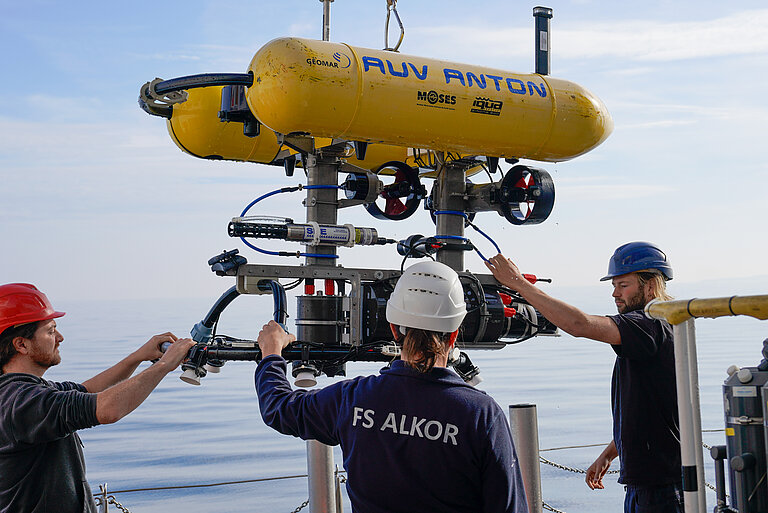
Autonomous Underwater Vehicles (AUVs) will map the seafloor using sonar systems and cameras.
Photo: Julia Gehringer