
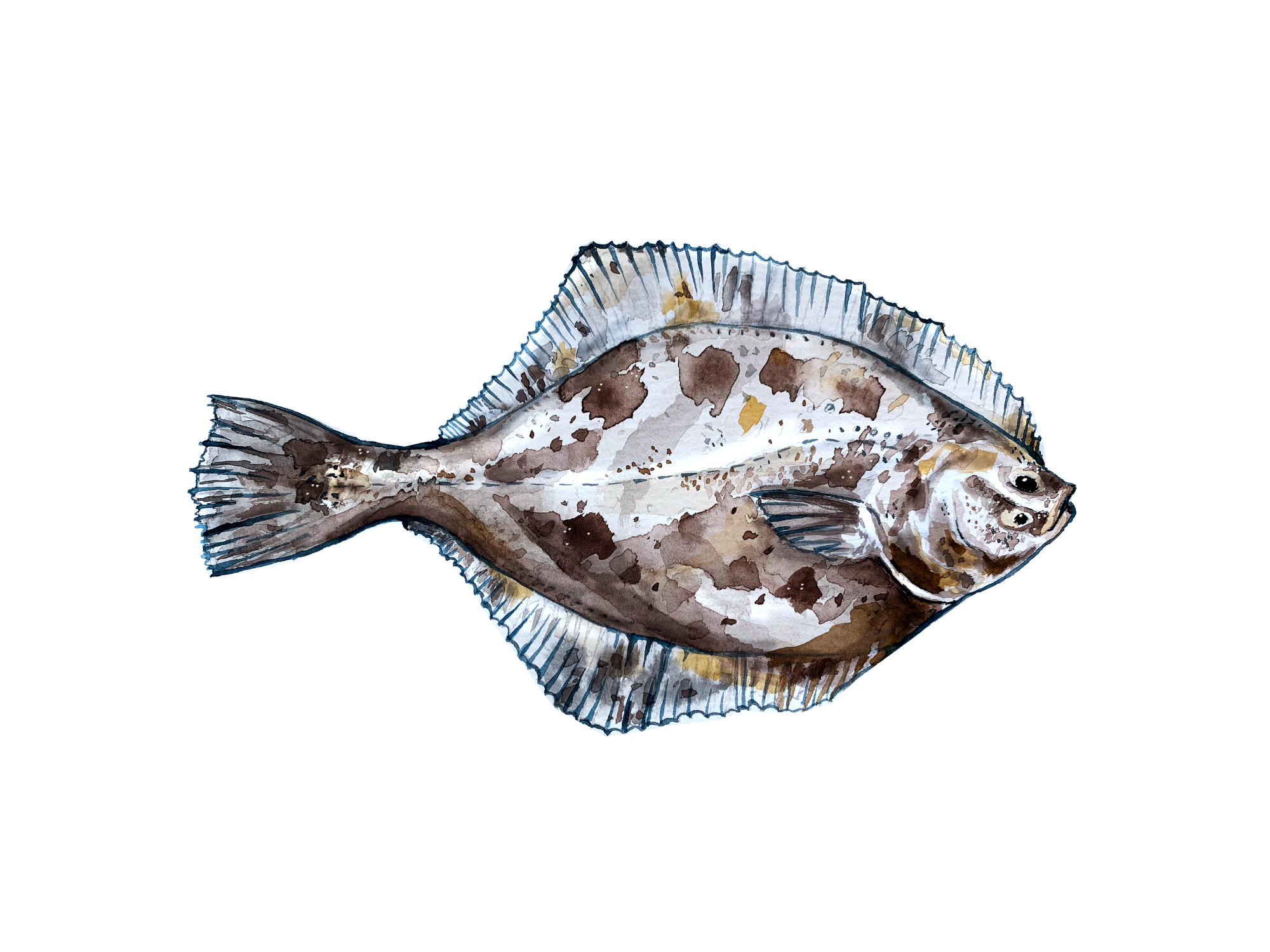
Recommended: Flounder is a flatfish that lives and feeds mainly on the seabed. Stocks in the Baltic Sea are relatively healthy and are fished sustainably.
Illustration: Sarah Fricke
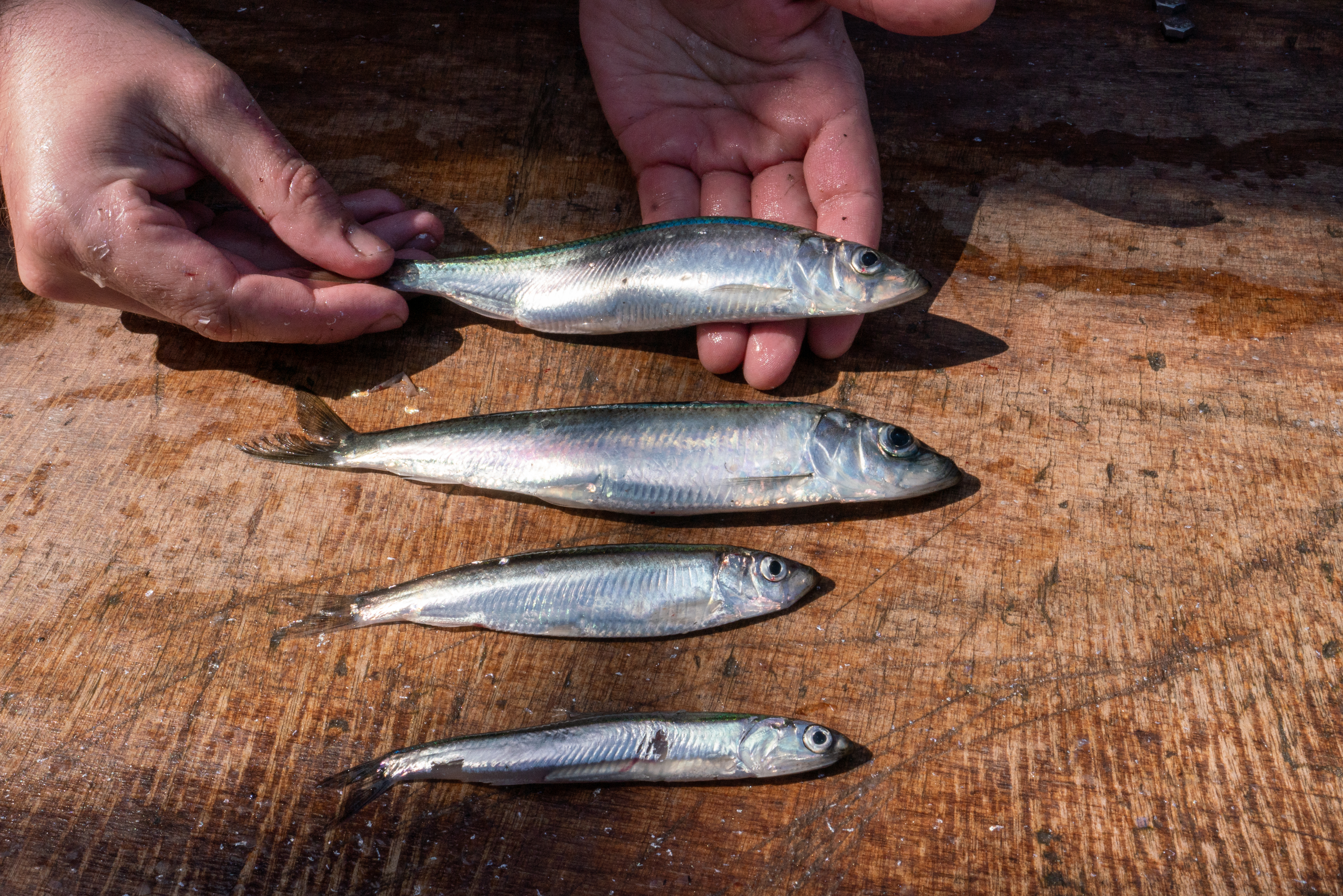
Herring, sprat and anchovies: Only herring and anchovies caught with acceptable fishing gear in certain sea areas can be recommended. Baltic sprat has not been on the ‘good fish’ list for two years and is officially considered overfished.
Foto: Sarah Uphoff, GEOMAR
Festive Christmas Dinner: Only ‘Good Fish’ on the Table
GEOMAR, environmental organisations and consumer advice centres update their joint list of ‘good fish’ for conscious purchasing of sea fish
– Joint press release of the German Consumer Advice Centres, GEOMAR Helmholtz Centre for Ocean Research Kiel, Deutsche Umwelthilfe, Naturschutzbund Deutschland and World Wide Fund For Nature –
For the first time since the ‘Good Fish’ list was started, 14 species are recommended. No species had to be removed compared to last year. Alaska red and pink salmon were once again included as recommended. For albacore tuna and skipjack tuna, the recommendation was extended to additional fishing areas. Fortunately, anchovies from the Bay of Biscay and Chilean horse mackerel, both small schooling fish from the lower end of the food chain, made it onto the list this year. Regional flatfish such as plaice, dab and flounder are also on the list. For all species, they are only recommended if they come from the specified fishing areas and are caught using acceptable fishing methods.
The expansion of the list sounds like a reason to celebrate, but there is still cause for concern: many popular edible fish such as North Sea herring and cod continue to be overfished. In addition, consumers have too little choice overall when it comes to fish caught using sustainable fishing gear.
Dr Rainer Froese, marine ecologist and fisheries scientist at GEOMAR Helmholtz Centre for Ocean Research Kiel, explains: "Unfortunately, the state of edible fish in German waters is not improving: cod stocks have now finally collapsed, North Sea herring stocks are shrinking, and western Baltic herring should actually be subject to a fishing ban. We already had to remove Baltic sprat from the list last year, and now it is also officially considered overfished."
Deutsche Umwelthilfe (DUH) emphasises that changing environmental conditions such as warming, acidification and pollution of our oceans are also causing problems for fish. Isabel Seeger, marine conservation expert at Deutsche Umwelthilfe, explains: "Ongoing overfishing is exacerbated by the poor condition of our oceans. There are fewer and fewer areas where fish can reproduce and grow undisturbed. We must ensure that marine protected areas are effective and that nature conservation laws are implemented – because without fish, there can be no fishing."
Consumers Have a Choice
Demand helps determine what the market supplies. Conscious purchasing can help influence the environmental sustainability of fishing. Thanks to a survey of the most important retailers and suppliers, specific fish products can be identified that are made with fish from the Good Fish list.
Armin Valet from the Hamburg Consumer Advice Centre: "Many consumers enjoy eating fish but are also aware of the problem of overfishing. We are often asked which fish we can still recommend. With the help of our list, everyone can decide for themselves which fish will be on the table at Christmas."
Dr Kim Detloff, NABU Head of Marine Conservation, demands: "We finally need ecosystem-based fisheries management that focuses on sustainability and quality rather than short-term economic interests. To achieve this, fisheries policy must be fundamentally changed. With the ‘Good Fish’ list, consumers can make an important contribution to ensuring that fish populations and the marine habitat are not further endangered."
Dr Philipp Kanstinger, WWF fisheries expert: "Overfishing has weakened many stocks – the climate crisis is now finishing them off. Warmer, oxygen-depleted water is particularly harmful to fish such as herring and cod. By looking at the ‘Good Fish‘ list, consumers can ensure that overfished stocks are given a break and that more responsible fisheries are supported."
How the List Works
For unprocessed fish and frozen products, information on the fish species, fishing method and fishing area is mandatory. This should be compared carefully with the list to ensure that no fish from a highly endangered stock ends up in your shopping trolley. However, the legally required labelling is not always detailed enough to assess whether a product is ‘good fish’. If in doubt, it is advisable to ask specific questions.
In addition to origin, the fishing method is an important criterion. Different types of equipment have different effects on stocks, the seabed and other animals in the ecosystem. Bottom trawls are often particularly harmful as they cause a lot of bycatch and destroy the seabed. Nevertheless, they are still used in many places, even in marine protected areas.
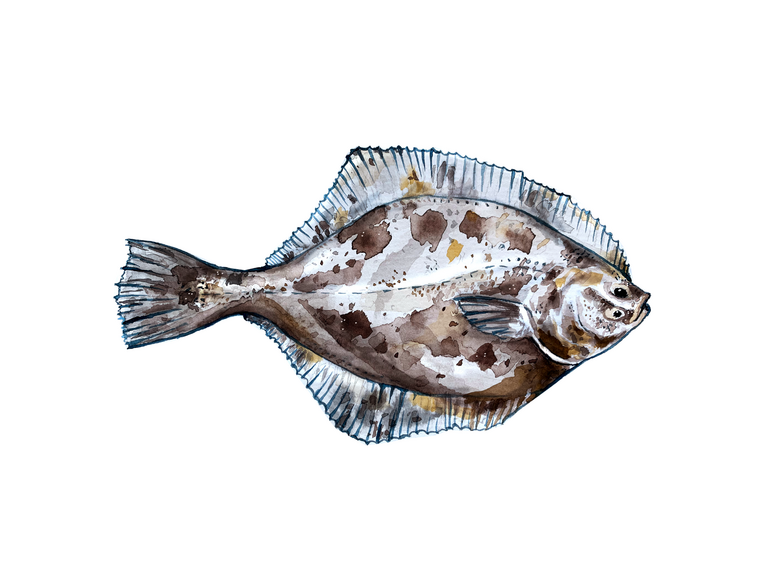
Recommended: Flounder is a flatfish that lives and feeds mainly on the seabed. Stocks in the Baltic Sea are relatively healthy and are fished sustainably.
Illustration: Sarah Fricke

Herring, sprat and anchovies: Only herring and anchovies caught with acceptable fishing gear in certain sea areas can be recommended. Baltic sprat has not been on the ‘good fish’ list for two years and is officially considered overfished.
Foto: Sarah Uphoff, GEOMAR