"Seagrass-Microbe Interactions & Resistance Mechanisms (SEAMIR)"
Group Leader: Dr. Hanin Alzubaidy | RD3 Marine Ökologie | RU Marine Evolutionary Ecology

Research Focus
Seagrasses are essential marine ecosystem engineers that support biodiversity, stabilize sediments, and play a key role in coastal carbon cycling. However, seagrass meadows are increasingly threatened by environmental stressors such as climate change, eutrophication, and disease outbreaks.
At SEAMIR, we investigate the complex and dynamic interactions between seagrasses and their associated microbial communities. Our goal is to understand how these interactions influence plant health, immunity, and resistance to biotic and abiotic stress. We aim to identify key microbial taxa and molecular mechanisms that underpin seagrass resilience, with the broader objective of contributing to the conservation and restoration of coastal ecosystems.
Key Research Topics
- Functional plant-microbe interactions in marine systems
- Seagrass immune responses and resistance mechanisms
- Microbial community dynamics and functional potential
- Role of microbiomes in ecosystem resilience and restoration
- Effects of environmental stressors (e.g. warming, eutrophication, hypoxia) on host-microbe systems
Methods
- Microbial community profiling (16S/ITS/18S amplicon sequencing)
- Metagenomics and metatranscriptomics
- Host transcriptomics.
- In situ and mesocosm experiments
- Environmental metabolomics
Current Projects
- Beneficial microbes in seagrass health: Isolation and functional analysis of plant-associated bacteria
- Disease suppression mechanisms: Seagrass-pathogen-microbiome interactions
- Microbiome resilience indicators: Microbial shifts under environmental gradients
Collaborations
SEAMIR collaborates closely with interdisciplinary partners in Germany and internationally. We are involved in:
- The Kiel Plant Center (KPC)
- The TREC-EMBL project (Traversing European Coastlines)
- Joint initiatives within GEOMAR’s Marine Ecology and Marine Symbioses groups.
Open Positions
We are always looking for motivated students and researchers interested in plant-microbe interactions and seagrass microbial ecology. Please get in touch for thesis, internship, or PhD opportunities.
Team
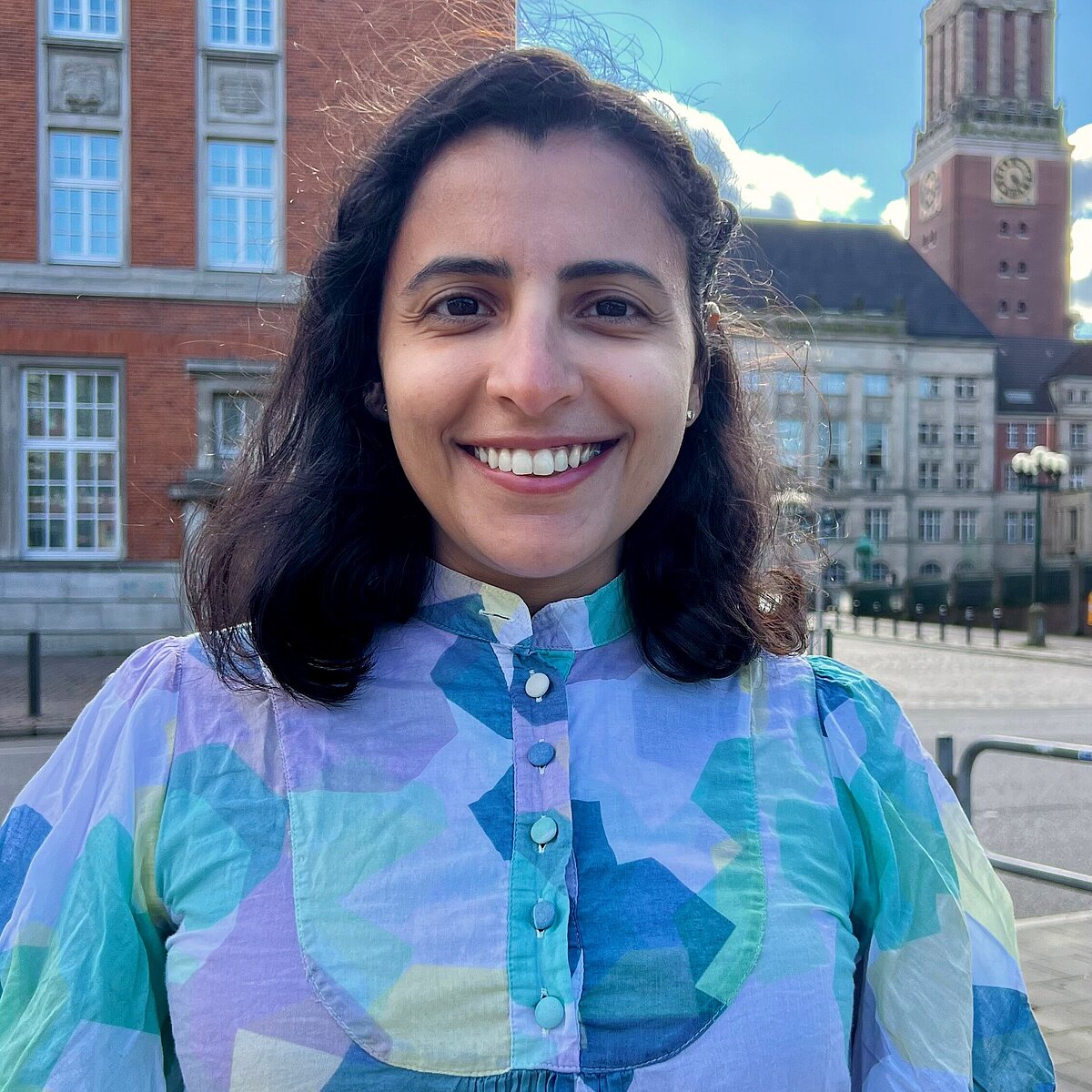
Dr. Hanin Alzubaidy
Group leader
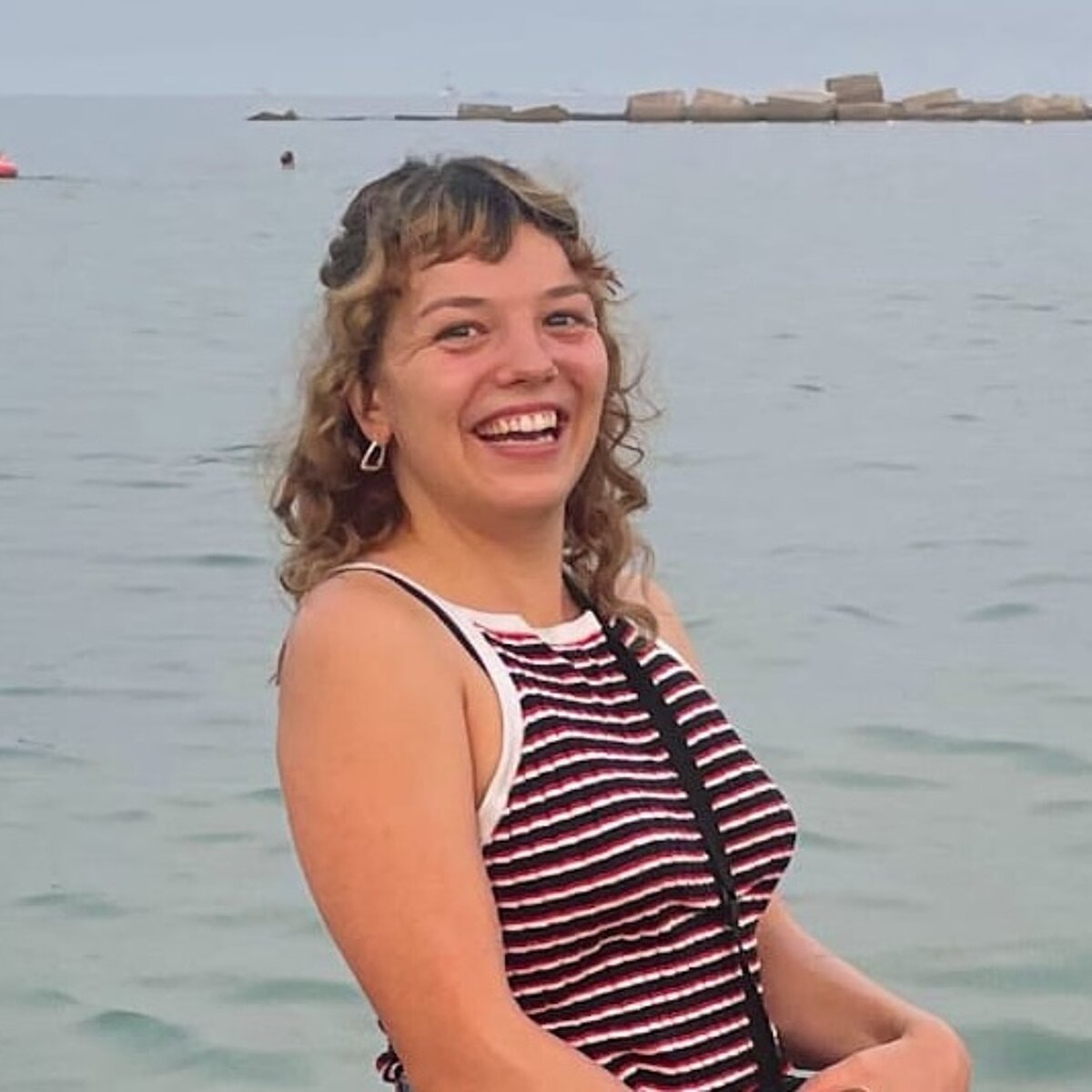
Jana Schuster
MSc student
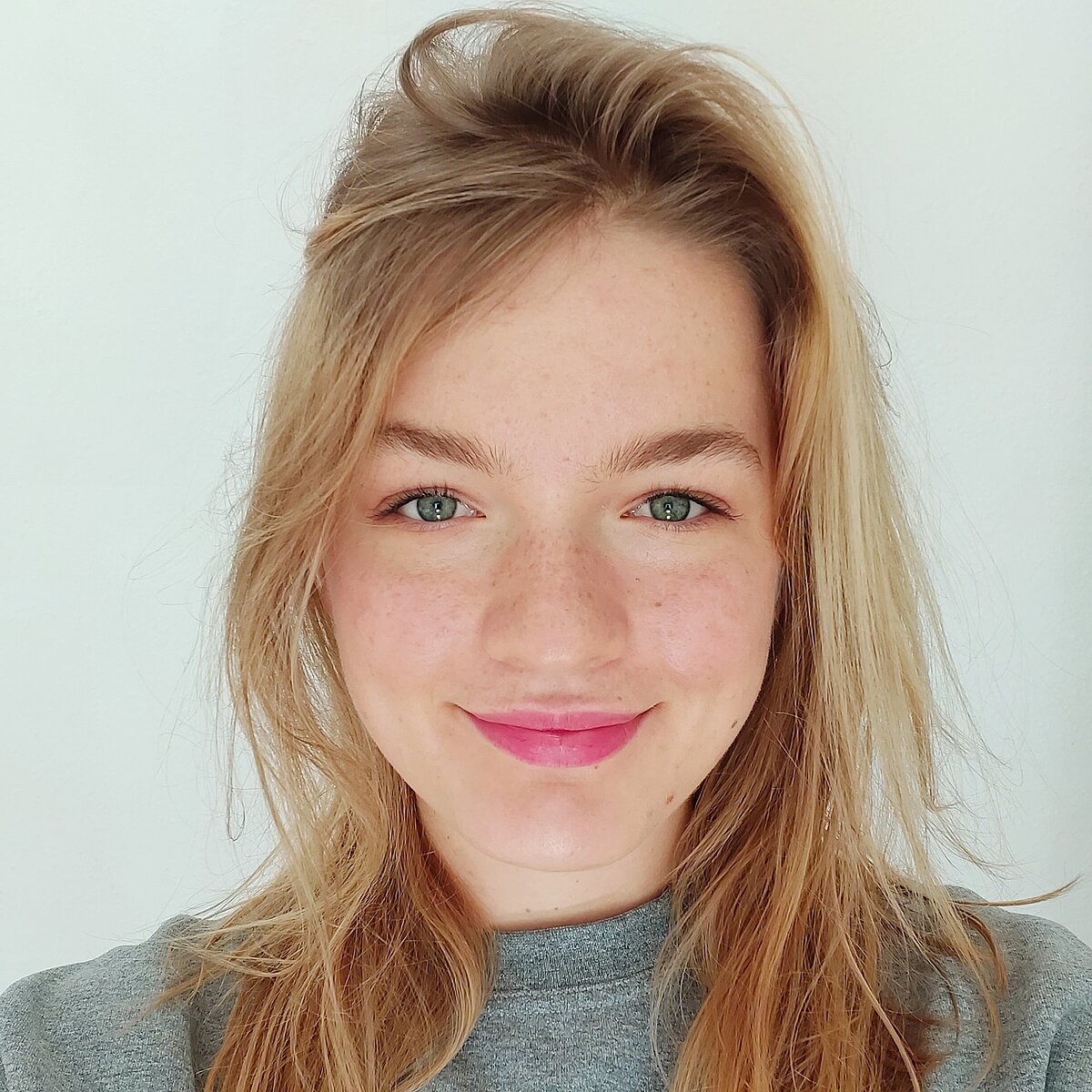
Marie Raasch
Student assistant
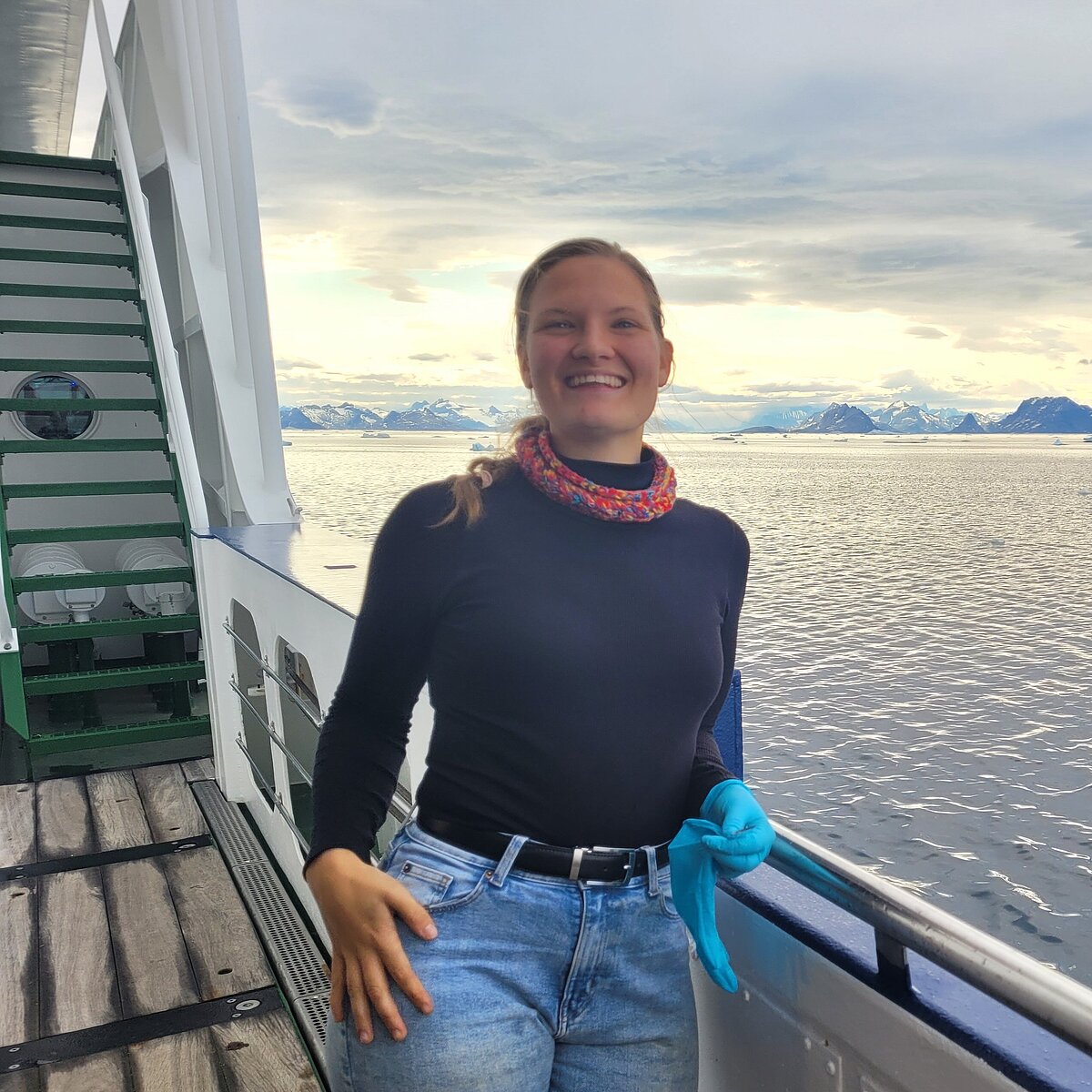
Lisa Frankholz
Student assistant
- Dr. Hanin Alzubaidy (Group Leader)
- Jana Schuster (MSc. student), co-supervisor, supervisor: Prof. Thorsten Reusch
- Marie Raasch (student assistant)
- Lisa Frankholz (student assistant)
Current projects
-
Beneficial microbes in seagrass health: Isolation and functional analysis of plant-associated bacteria
-
Disease suppression mechanisms: Seagrass-pathogen-microbiome interactions
-
Microbiome resilience indicators: Microbial shifts under environmental gradients
Selected publications
- Alzubaidy, H., Baazeem, A. and Rosado, A.S., (2024) The Red Sea mangroves and the mangrove microbiome. In Oceanographic and Marine Environmental Studies around the Arabian Peninsula (pp. 235-242). CRC Press.
- Alzubaidy, H. *, Andrés-Barrao, C*., Jalal, R., Mariappan, K.G., de Zélicourt, A., Bokhari, A., Artyukh, O., Alwutayd, K., Rawat, A., Shekhawat, K. and Almeida-Trapp, M., (2021) Coordinated bacterial and plant sulfur metabolism in Enterobacter sp. SA187–induced plant salt stress tolerance. Proceedings of the National Academy of Sciences, 118(46), p.e2107417118.
- Eida, A.A., Alzubaidy, H.S., de Zélicourt, A., Synek, L., Alsharif, W., Lafi, F.F., Hirt, H. and Saad, M.M., (2019) Phylogenetically diverse endophytic bacteria from desert plants induce transcriptional changes of tissue-specific ion transporters and salinity stress in Arabidopsis thaliana. Plant Science, 280, pp.228-240.