![[Translate to English:] JAGO auf einem Seeberg im Trondheimfjord. Foto: Uli Kunz, www.uli-kunz.com](/fileadmin/news_import/20130702_JAGO-GEOMAR_UliKunz.jpg "[Translate to English:] JAGO auf einem Seeberg im Trondheimfjord. Foto: Uli Kunz, www.uli-kunz.com")
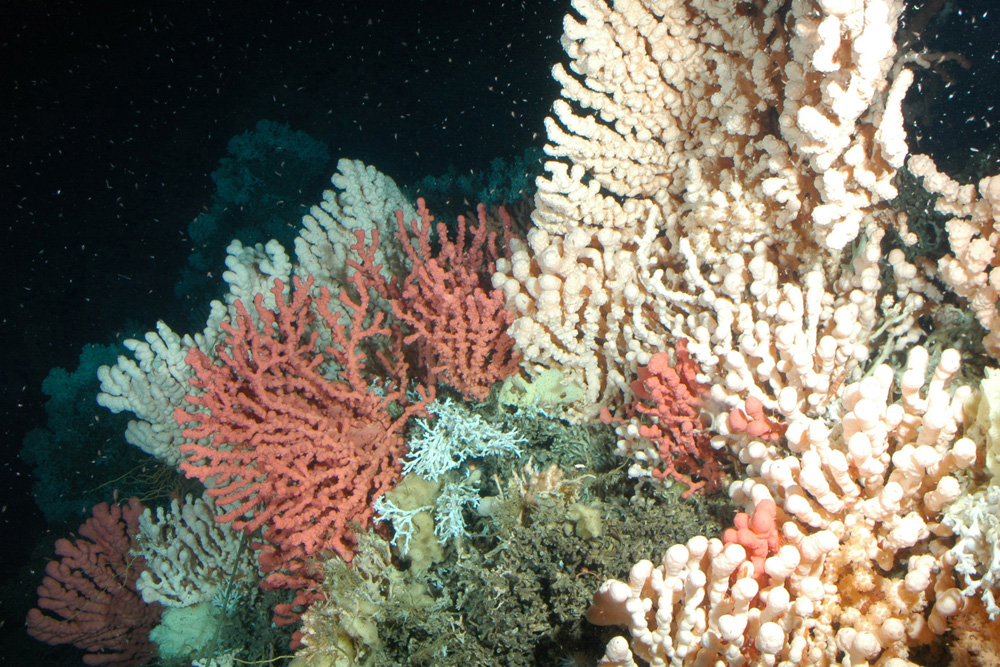
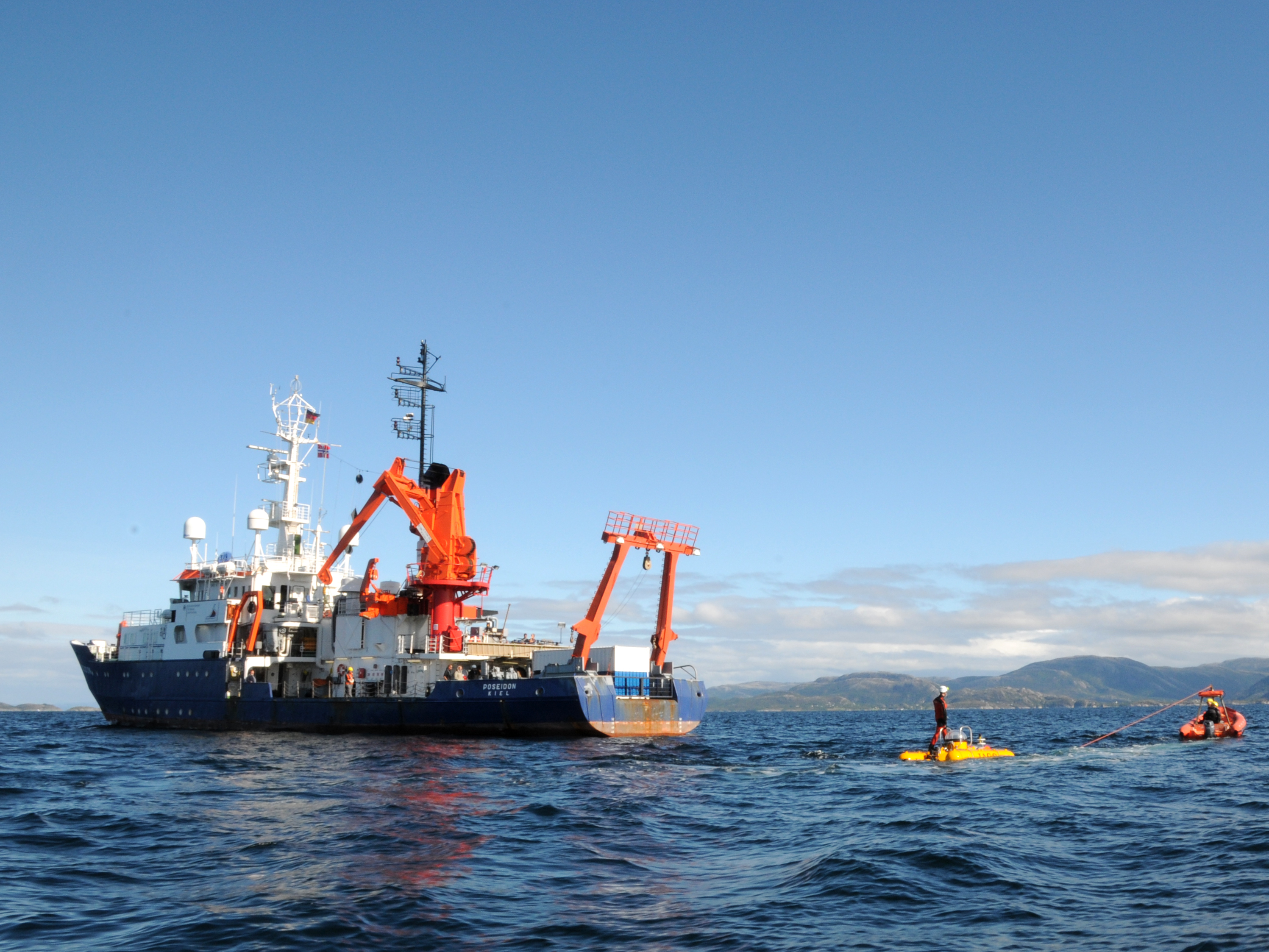
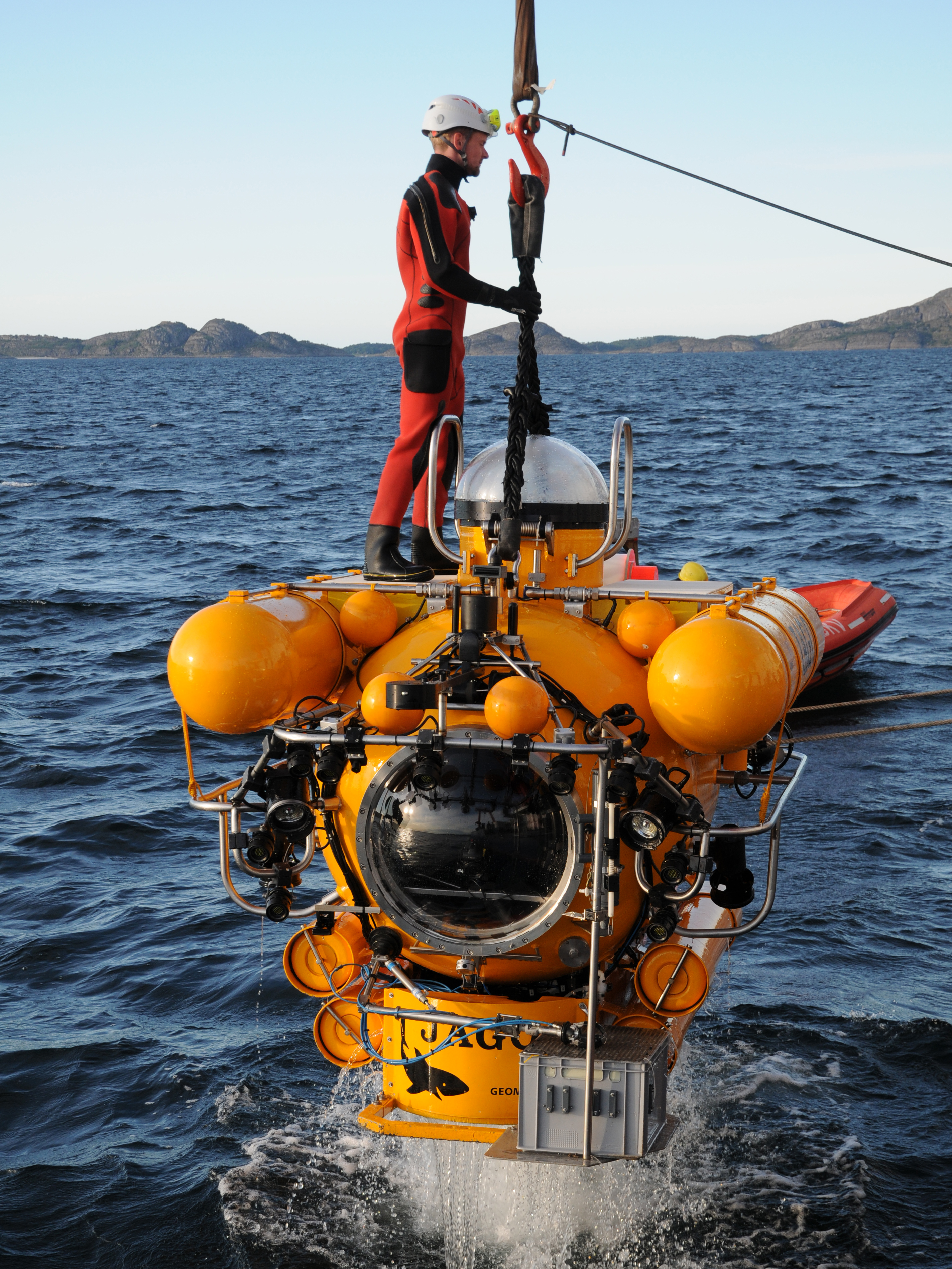
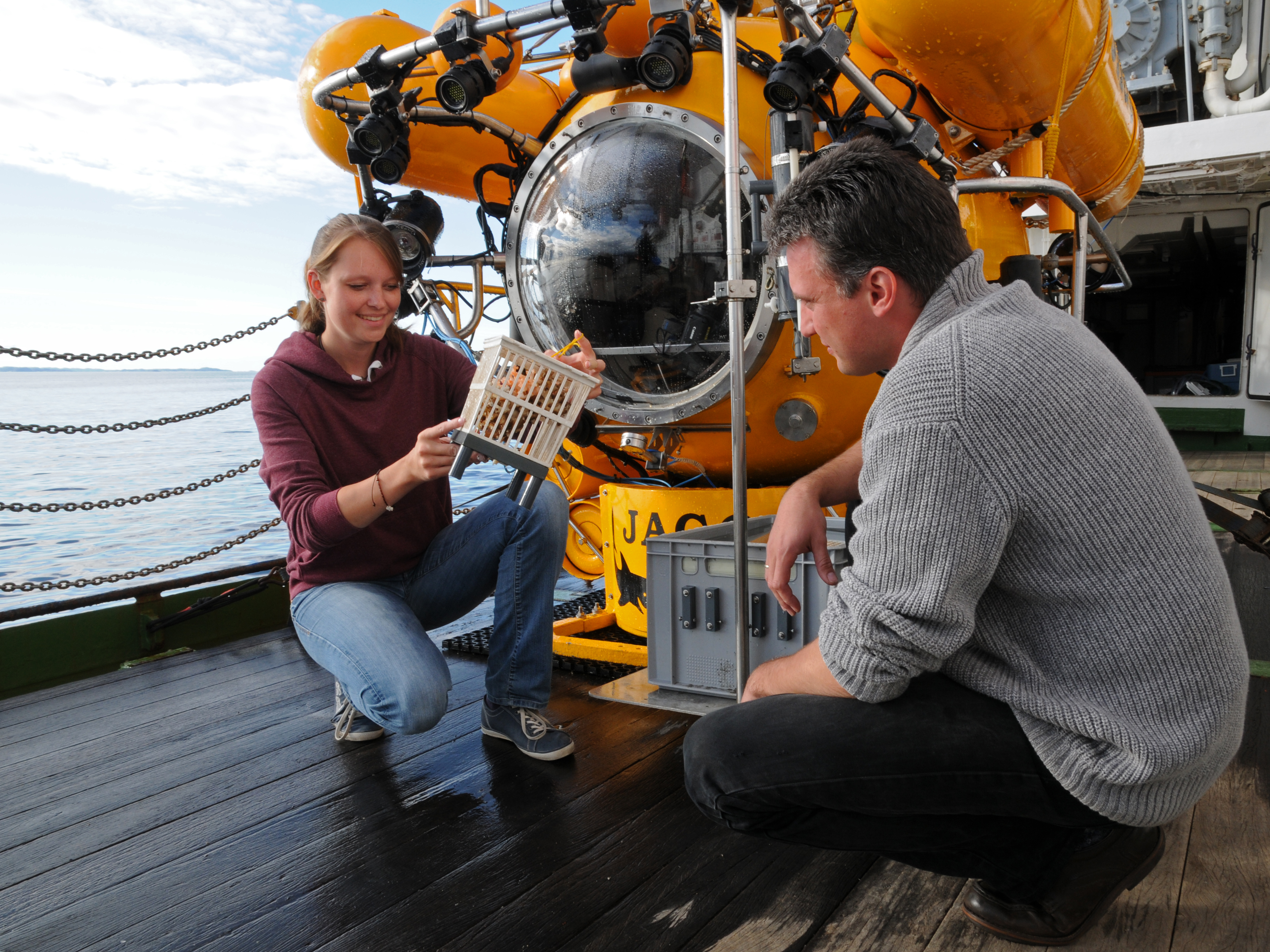
Image of the month: September 2014
JAGO at work
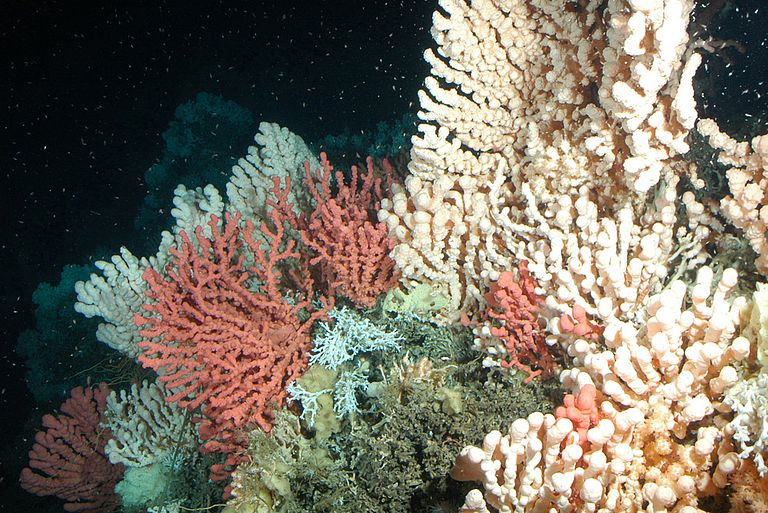
How do the cold-water coral Lophelia pertusa and her neighbours react to climate change? Regularly, marine biologists from GEOMAR visit the reefs off the coast of Norway with the submersible JAGO.
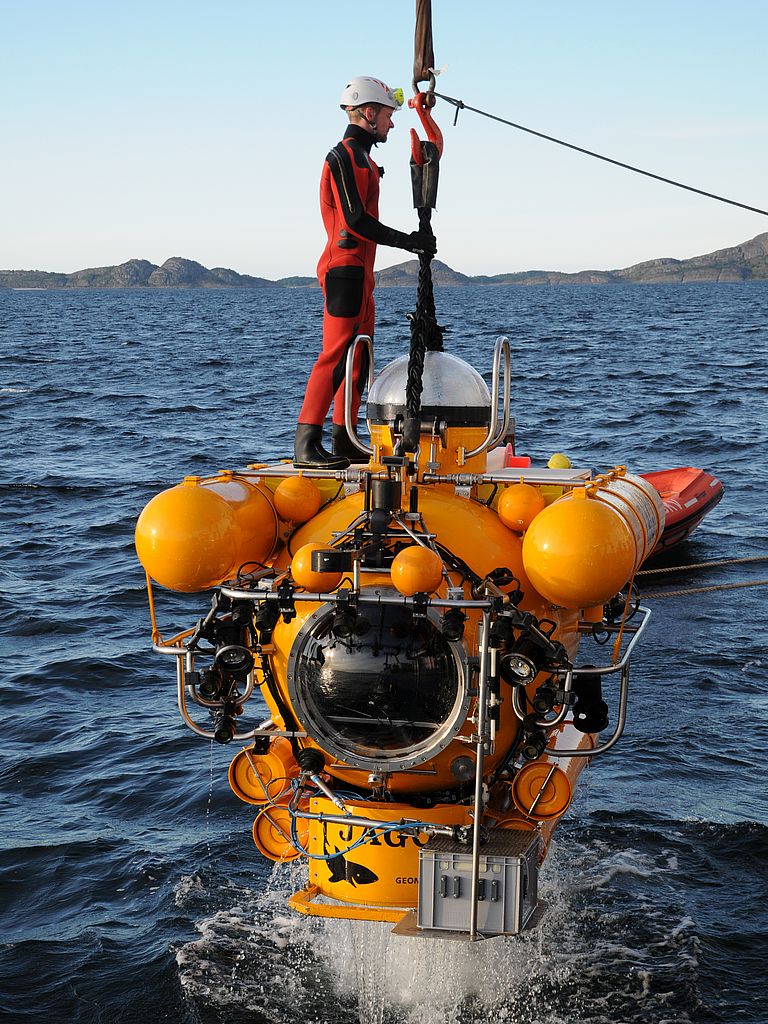
JAGO-pilot Jürgen Schauer has placed the submersible at the basis of a coral reef in the Trondheimfjord to collect samples. Especially soft corals and sponges flourish here.
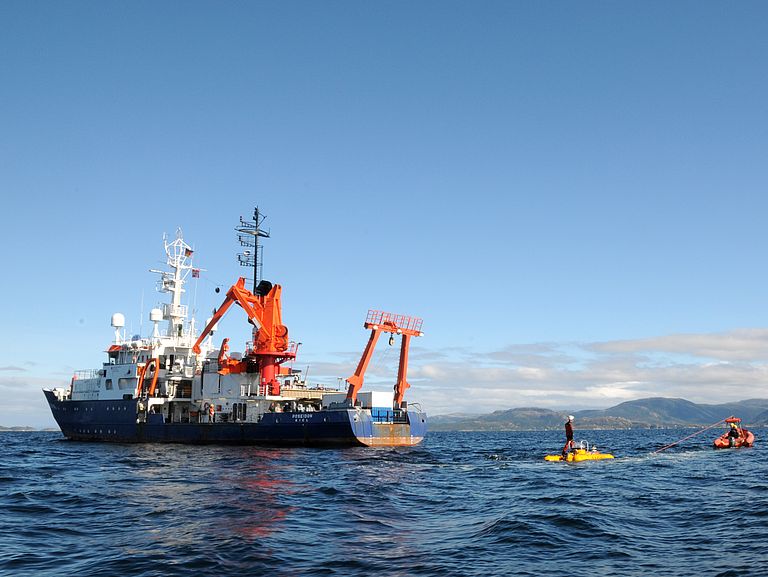
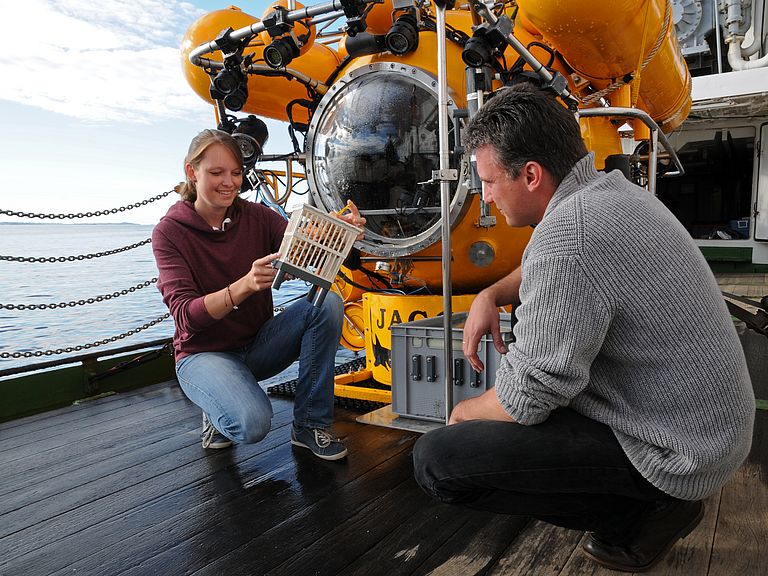
The Kiel underwater photographer Uli Kunz took our image of the month September during the POSEIDON expedition POS455 in July 2013. On this trip, the researchers placed devices for measurements and growth experiments at the bottom of the Trondheimfjord: For twelve months, marine observatories, so-called "landers", captured temperature, pH and currents. Small cages containing previously weighed and marked coral fragments, allow scientists to determine the growth of corals under natural conditions. About one meter high pyramids carrying plastic plates and mussels give information about bioerosion and colonization rates.
Just a few days ago, these devices were recovered during the expedition POS473. Samples for further experiments were also collected. Based on their measurements and experiments, scientists can better assess whether cold-water corals and other organisms from the reefs will suffer under the warming of seawater, ocean acidification or altered food availability.
The participants of the POSEIDON expedition POS473 report about their current observations and future work in Kiel blog portal oceanblogs.org.
Links:
Can cold-water corals adapt to climate change?
Lophelia, how are you?
![[Translate to English:] JAGO auf einem Seeberg im Trondheimfjord. Foto: Uli Kunz, www.uli-kunz.com](/fileadmin/_processed_/b/3/csm_20130702_JAGO-GEOMAR_UliKunz_61a0a229dc.jpg "[Translate to English:] JAGO auf einem Seeberg im Trondheimfjord. Foto: Uli Kunz, www.uli-kunz.com")