Image of the Month: August 2014
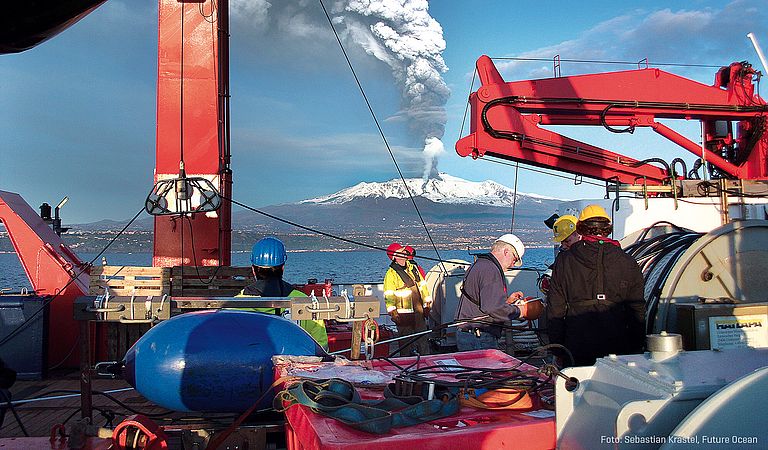
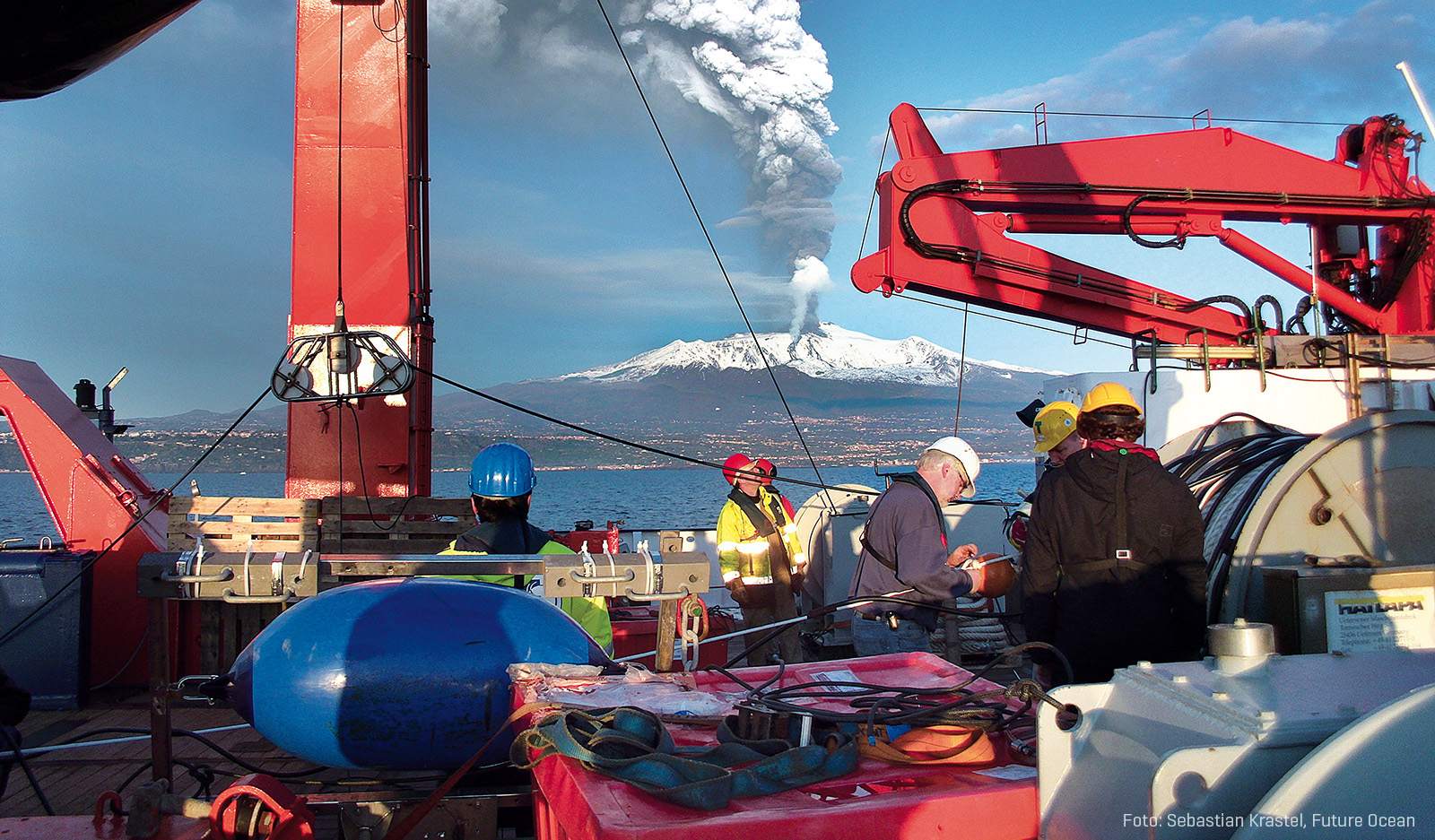
The volcano Etna seen from the research vessel METEOR
Volcanic eruptions, mega-earthquakes, tsunamis – due to the experiences of the past years one locates such natural disasters mainly on the coasts of the Pacific or Indian Ocean. But it is not necessary to travel so far to experience the dynamics of the Earth in all their magnificence and danger. Our image of the month of August shows Mount Etna in Sicily, Europe's largest active volcano. Just as marine scientists from Kiel were investigating traces of past natural disasters on the sea floor off the coast of Sicily in early 2012, the Fire Mountain showed its impressive power. Fortunately, this outbreak was not dangerous for the population of Sicily.
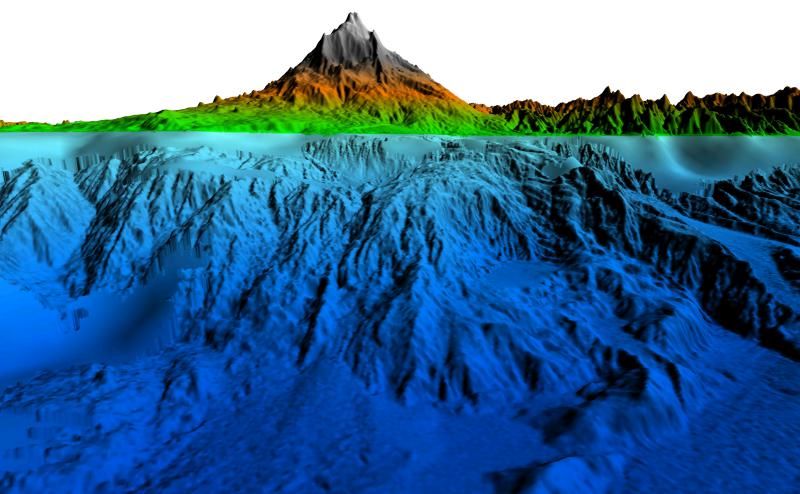
But not only Etna, but the entire Mediterranean is a very dynamic region. The African and European tectonic plates meet here, additionally in the east a border to the Arabian tectonic plate exists. The exact course of plate boundaries is not always precisely known, many other fault lines make the picture more diffuse. Therefore, accurate risk assessment can be difficult. Numerous earthquakes such as the one in L'Aquila, Italy in 2009 or the devastating Gölcük earthquake of 1999 show that even in Europe's southern border regions severe natural disasters can be expected. Because the shores of the Mediterranean in some places drop quite steeply down to several thousand meters water depth, volcanic eruptions or earthquakes can cause landslides, which, in turn, may trigger tsunamis. On December 28, 1908, for example, such a tsunami hit the coasts of Sicily and southern Italy, where tens of thousands of people died.
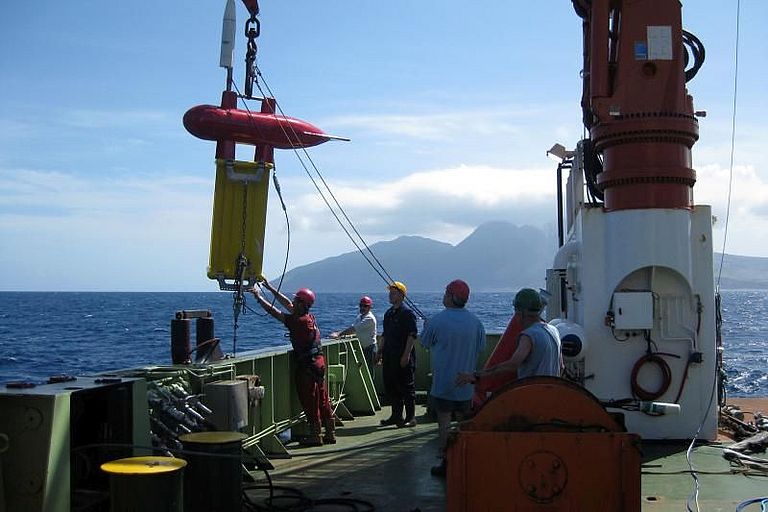
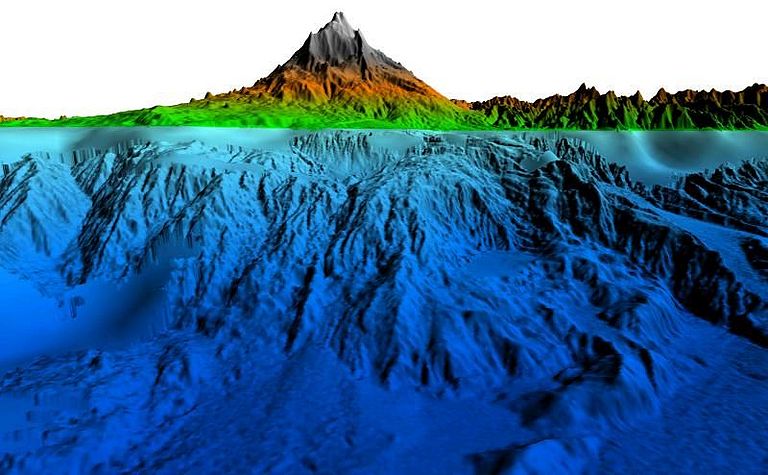
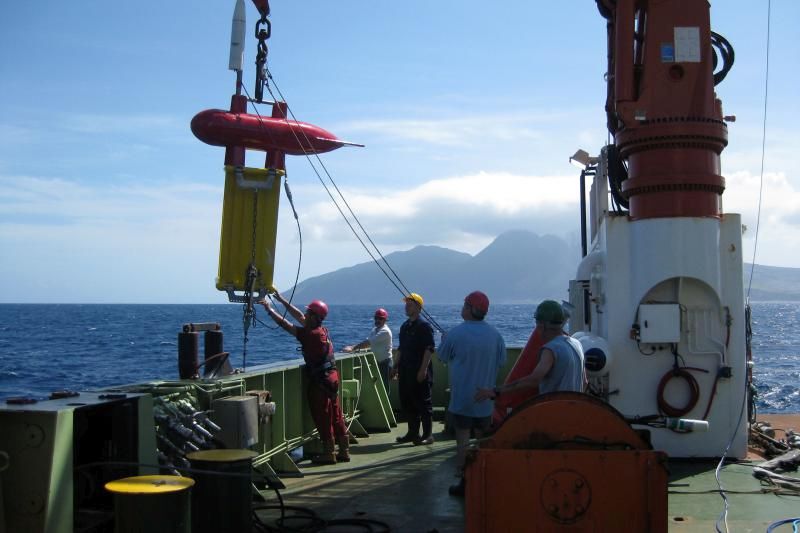
Because of this situation, scientists from many nations struggle to better understand the geological and geophysical processes in and around the Mediterranean. GEOMAR and working groups of the Cluster of Excellence "The Future Ocean" together with national and international partners and in cooperation with the Helmholtz Centre Potsdam German Research Centre for Geosciences are active from the Gulf of Cadiz in the west across the Adriatic Sea and the Strait of Messina to the Aegean and the Marmara Sea in the east. Instruments such as ocean bottom seismometers, cutting-edge 3-D seismic systems and newly developed deep-sea surveying systems are used for this research. More information can be found at the following links:
How do Tsunamis off the coast of South Italy develop?
How dangerous is the Adriatic Sea?
<link de entdecken artikel article submarine-hangrutschungen-eine-unterschaetzte-naturgefahr _top abs-internal-link einen internen link im aktuellen>Submarine Hangrutschungen - eine-unterschätzte Naturgefahr (in German)?
<link de entdecken artikel article was-ist-ein-tsunami _top abs-internal-link einen internen link im aktuellen>Tsunamis - die tödliche Gefahr aus dem Ozean (in German)
The Cluster of Excellence "The Future Ocean"
The Helmholtz Centre Potsdam German Research Centre for Geosciences