RECOVER Goals
From monitoring box to visualization tool
To support the recovery of marine habitats in the western Baltic Sea, the RECOVER project is developing new scientific and technological methods for the sustainable management of the marine environment. The project is investigating ecological indicators, such as microalgae, and innovative methods for the real-time analysis and modelling of environmental conditions. The five sub-goals of the project contribute to creating an integrated understanding of coastal ecosystems, planning effective conservation and restoration measures, and strengthening cross-border cooperation between Germany and Denmark.
Subgoal 1: Project organization and communication
Sensor-Driven Methods
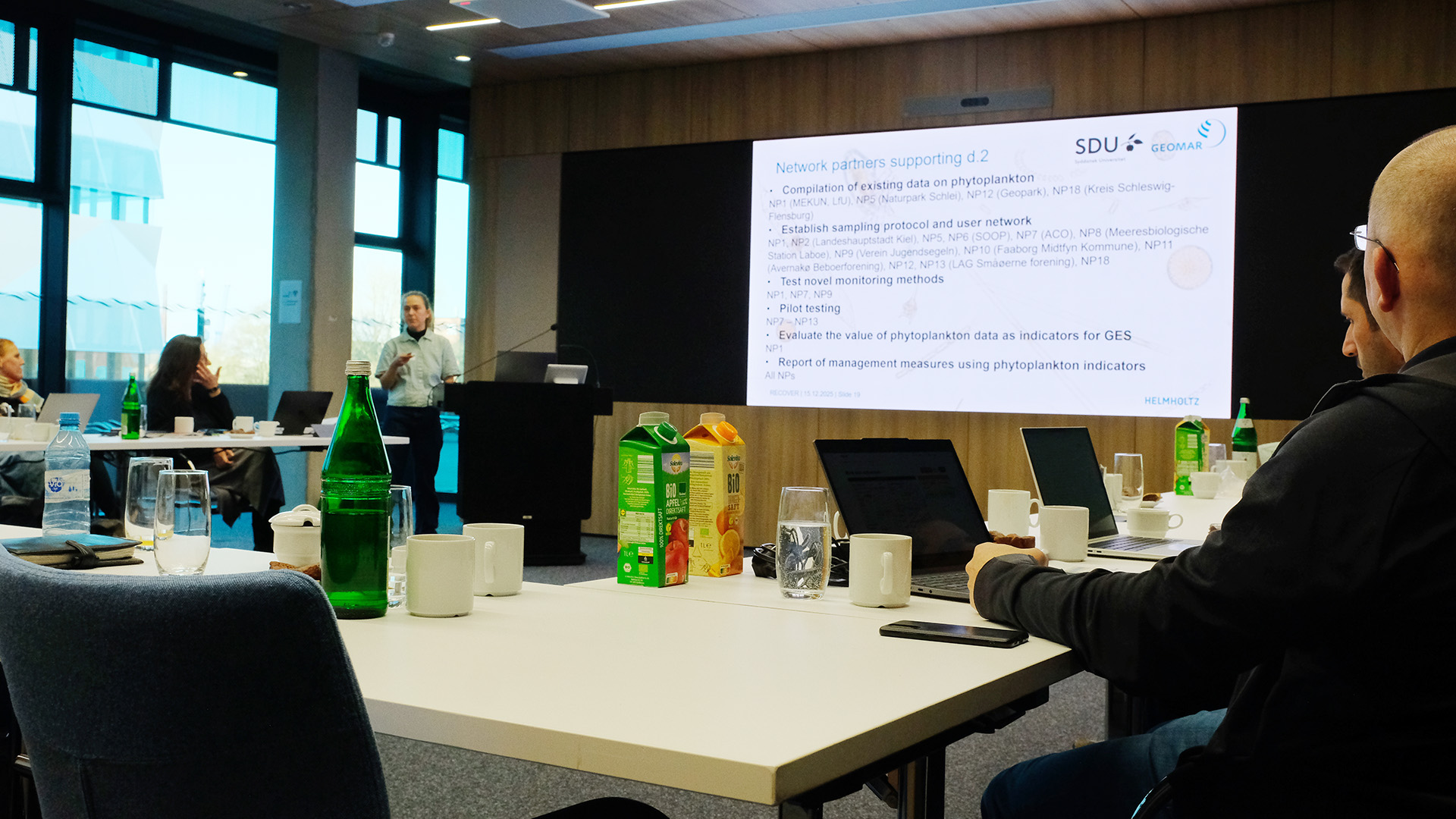
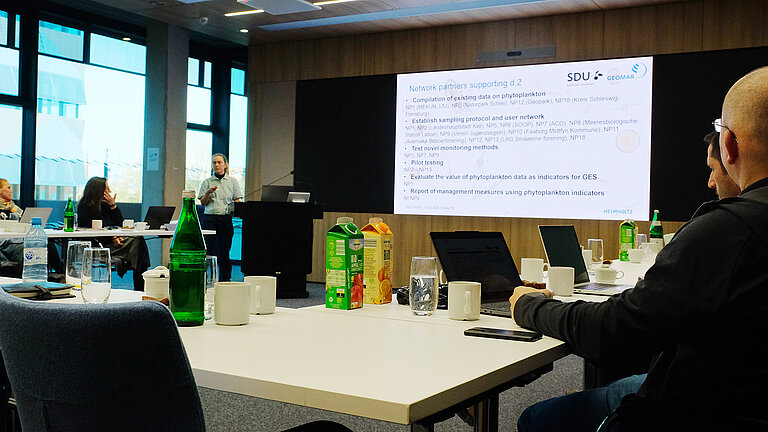
A major component of subgoal 1 is the organisatino of meetings. Both internally for our project partners, but also externally for our stakeholders and network partners. Photo: Henry Göhlich, GEOMAR
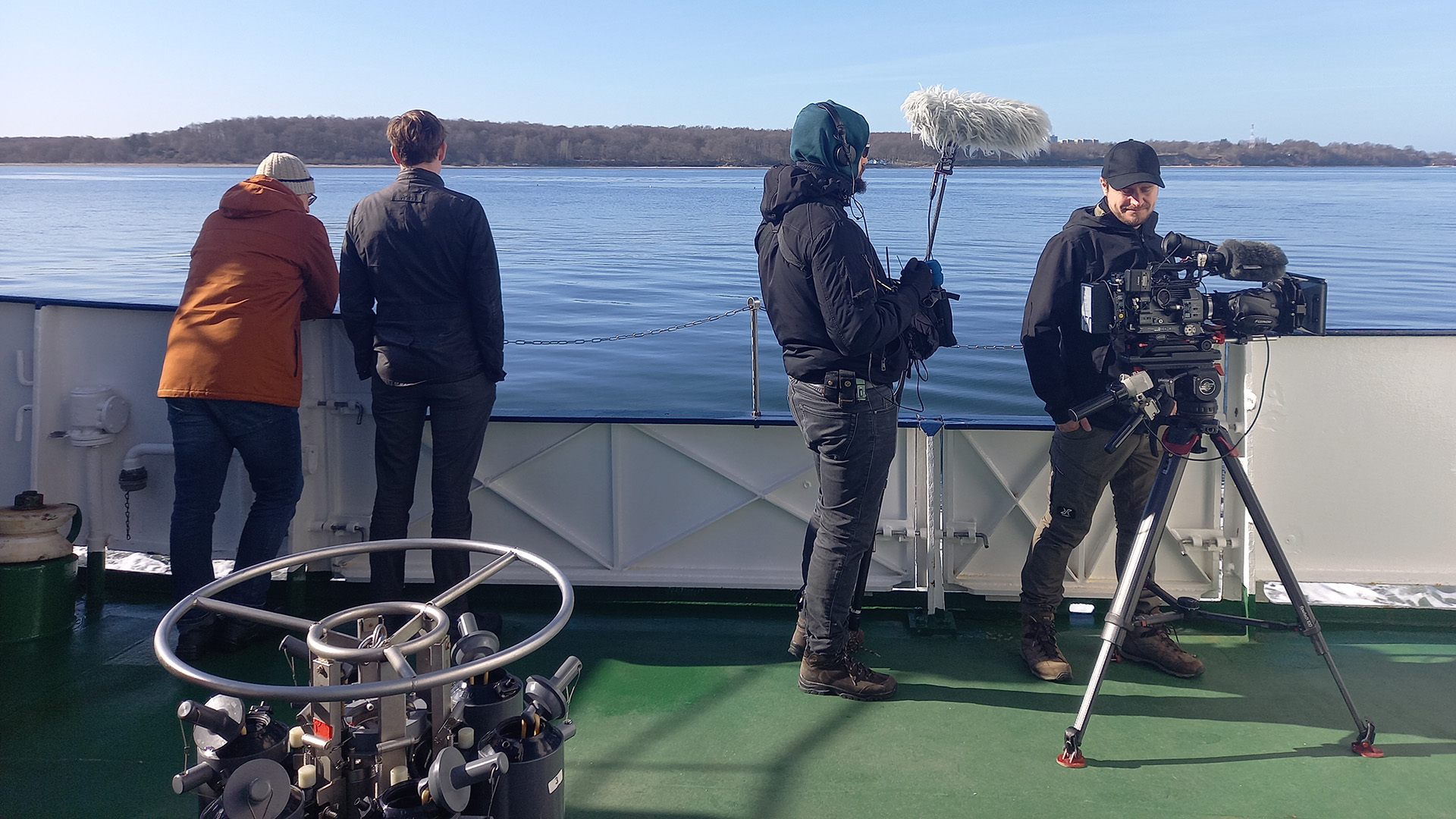
Public relations work at RECOVER also includes some lovely days out on the water. In March 2026, we had a visit from NDR during a trip on the Littorina. Here you can see two of our researchers and the NDR technical team. Photo: Gesine Ramm, GEOMAR
This subgoal is fundamental to ensuring that the project runs smoothly. It covers project coordination and internal and external communication. GEOMAR Helmholtz Centre for Ocean Research Kiel is responsible for the project's overall coordination and acts as the central point of contact for all partners in the project and network. Timetables and milestones are monitored and agreed here. Another focus is public relations. This includes the project website, social media activities, and organising events ranging from workshops and research meetings to a public final conference in 2028.
Key activities:
- Organisation and management of the project
- Coordination of collaboration between partners
- Communication of results and progress
- Development of a visual project identity
- Planning and implementation of events
Subgoal 2: Microalgae as indicators of environmental status

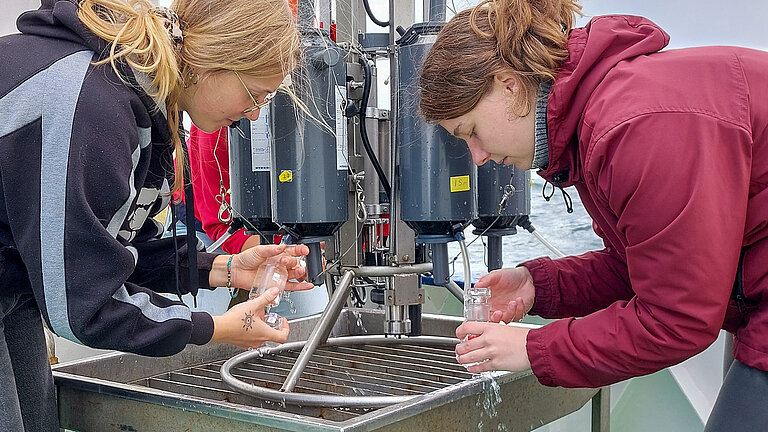
The rosette sampler can be used to take water samples from different depths. This allows researchers to analyse which microalgae are present at which depths. Photo: Ilka Thomsen, GEOMAR

The PlanktoScope is offered as low-cost open-source kit. The device can use a flow-through method to take pictures of plankton in small water samples and classify them. Photo: Guillaume Leguen/ Coralie Lebouvier - Le Temps Des Sciences

The Cytosub can be lowered up to 200 meters into the ocean and take pictures of plankton directly. Additionally, species and frequencies of phytoplankton can be automatically determined. Photo: Gülce Kurtay, GEOMAR
Phytoplankton (microalgae) play a central role in assessing the ecological status of the Baltic Sea. This subgoal aims to improve the monitoring of these organisms and to enhance the knowledge on how they can be used as indicators for the health of the Baltic Sea. To this end, existing datasets will be consolidated and harmonised to reveal long-term trends. Additionally, cross-border sampling protocols will be developed, and a user network will be established that also involves stakeholders outside the scientific community. Pilot studies will test new methods, such as camera-based systems and eDNA analyses, and evaluate them seasonally.
Key activities:
- Consolidation and evaluation of existing data
- Development of a standardised sampling protocol
- Establishment of a cross-border network
- Testing of innovative monitoring methods
- Assessment of the indicator function of phytoplankton
The results will be incorporated into a report containing recommendations for policymakers.
Focus of results: Improving environmental monitoring through biological indicators.
Subgoal 3: Cost-effective sensor technology for high-resolution data
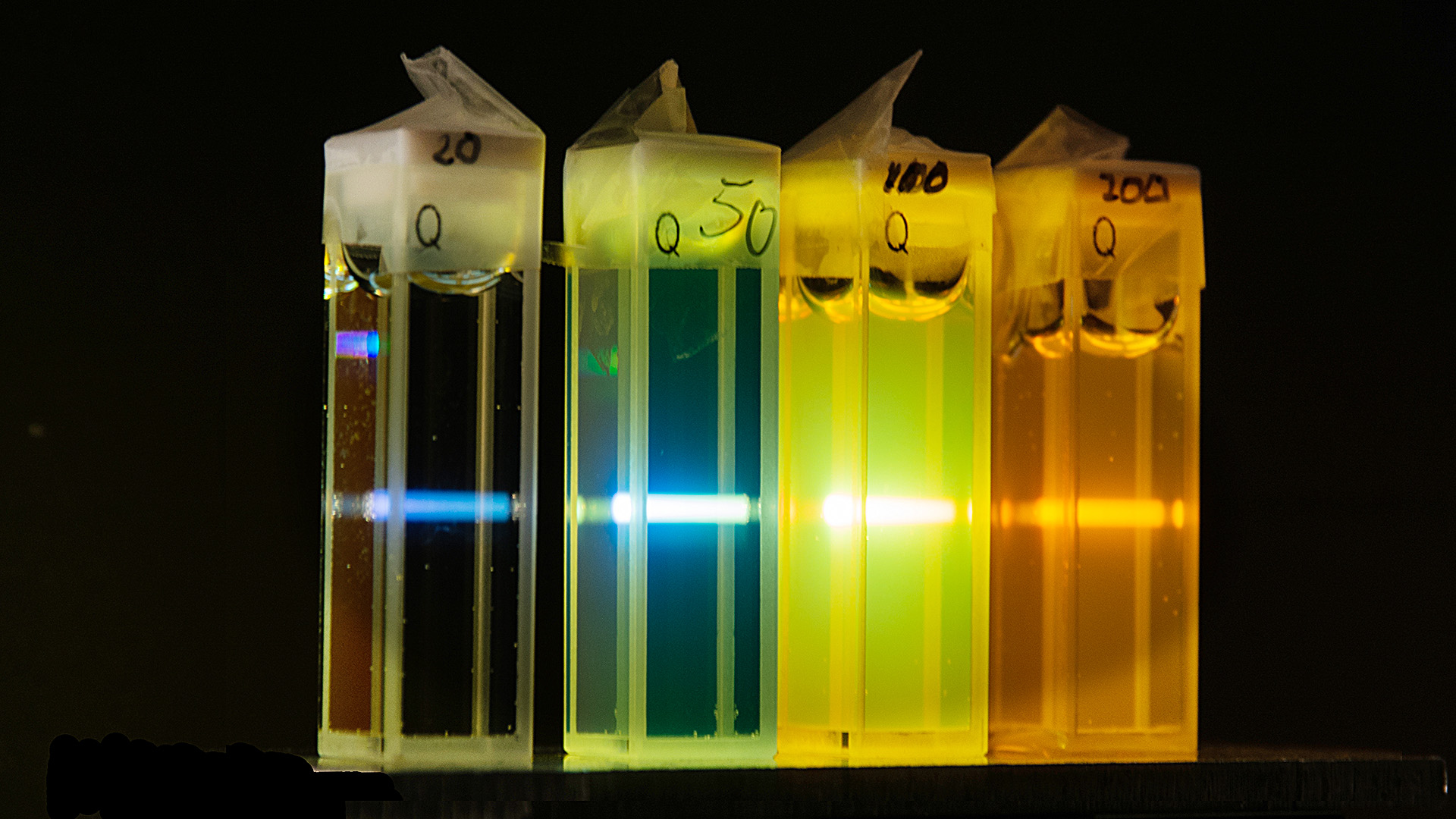
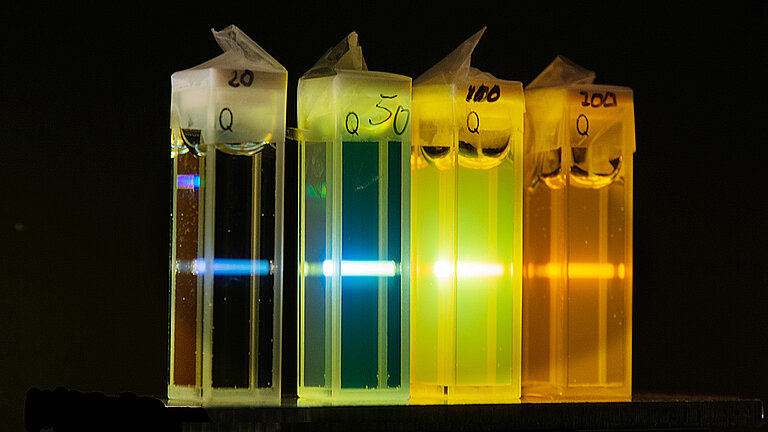
Subgoal 3 involves developing sensor systems that combine optical imaging with spectroscopic fingerprinting. This allows microalgae to be recognised, differentiated and identified based on both their visual features and their spectral signatures, supporting high-resolution monitoring of water quality. Photo: SDU
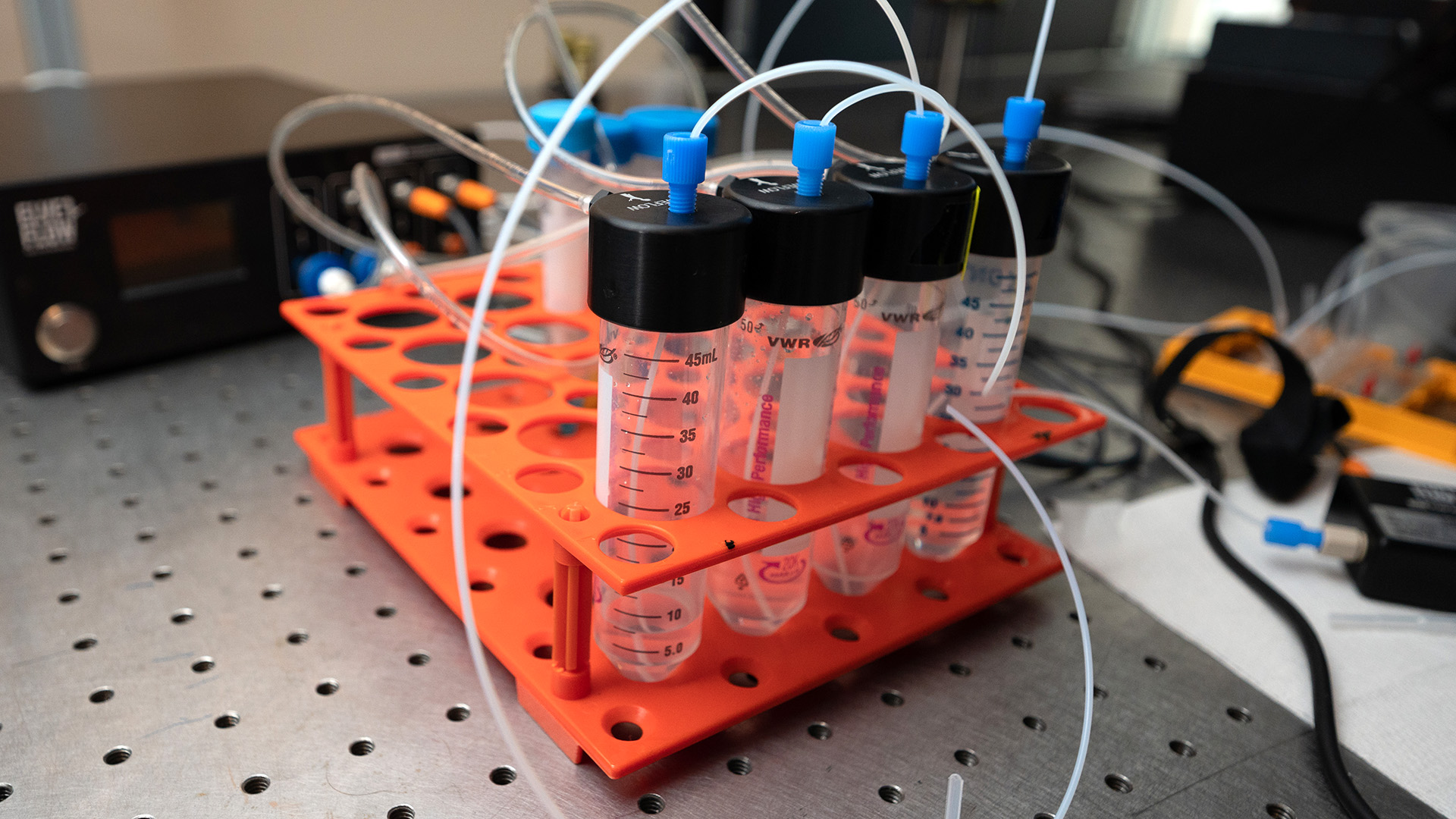
Subgoal 3 also develops automatic water-sampling and droplet-based microfluidic lab-on-a-chip solutions. These systems enable controlled sample handling, manipulation and automation of sampling workflows, supporting more efficient and reproducible monitoring of water. Photo: SDU
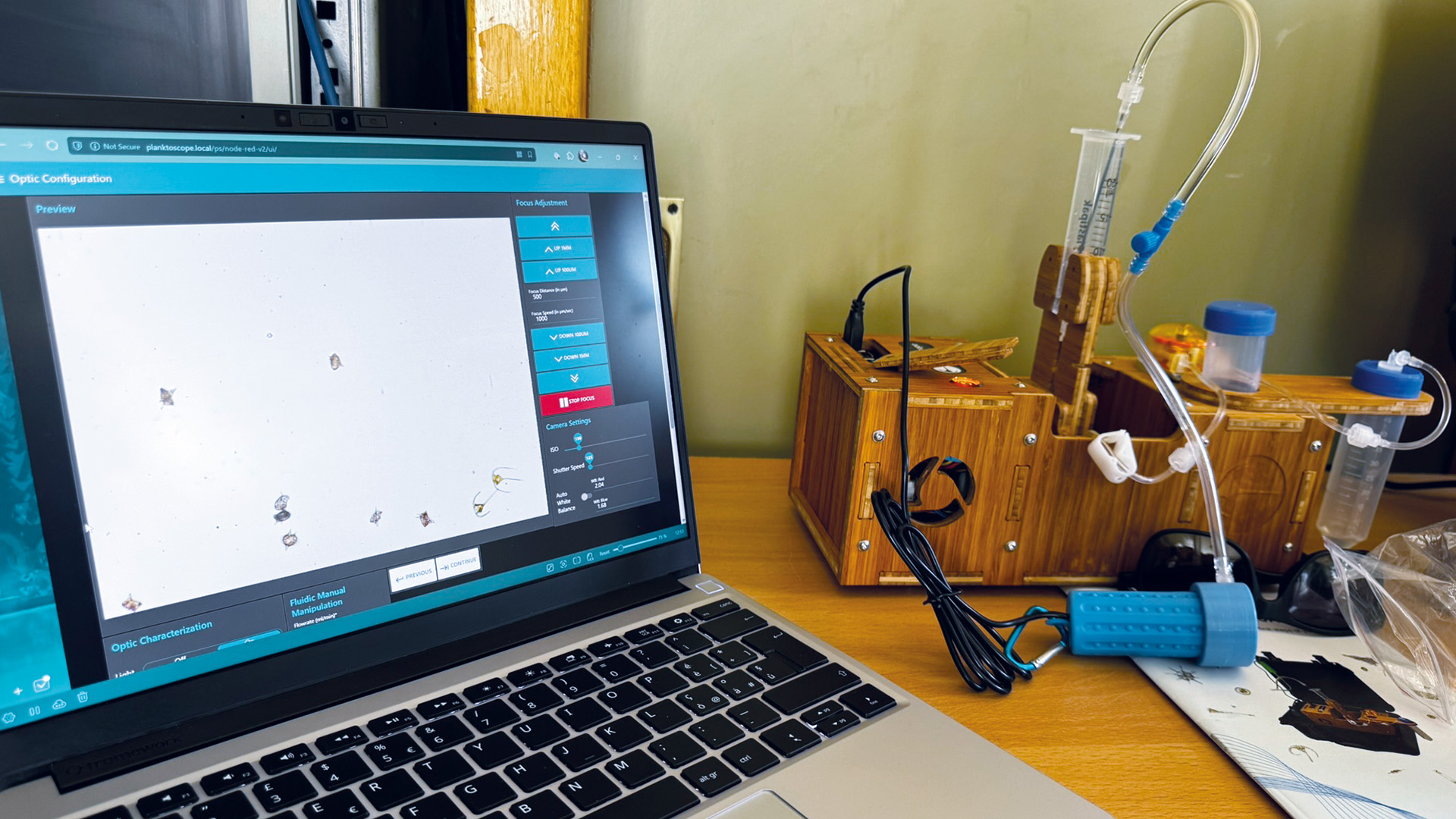
In Subgoal 3, the newly developed sensor, imaging and microfluidic solutions will be integrated with the PlanktoScope-based monitoring approaches described under Subgoal 2, creating a more comprehensive platform for automated microalgae detection and water-quality assessment. Photo: GEOMAR
The focus of this subgoal is the development and testing of new, cost-effective environmental monitoring systems for the western Baltic Sea. The aim is to record environmental parameters such as nutrient concentrations, temperature and oxygen levels at high temporal resolution. Compared to conventional monitoring programmes, this allows for a much more detailed assessment of the ecological status. One example of such technology is the planktoscope: a compact, open-source sensor capable of automatically detecting and analysing microalgae. This is being further developed within the RECOVER project in collaboration with subgoal 2, with the aim of not only delivering results in the laboratory, but also enabling measurements to be taken on ships whilst underway, with a constant flow of water.
Key activities:
- Analysis of available, cost-effective sensor systems
- Development and combination of new measurement methods
- Construction and testing of prototypes
- Integration of data into analytical and modelling approaches.
The aim is to improve the basis of data for environmental assessments and management decisions.
Subgoal 4: Social acceptance of restoration measures
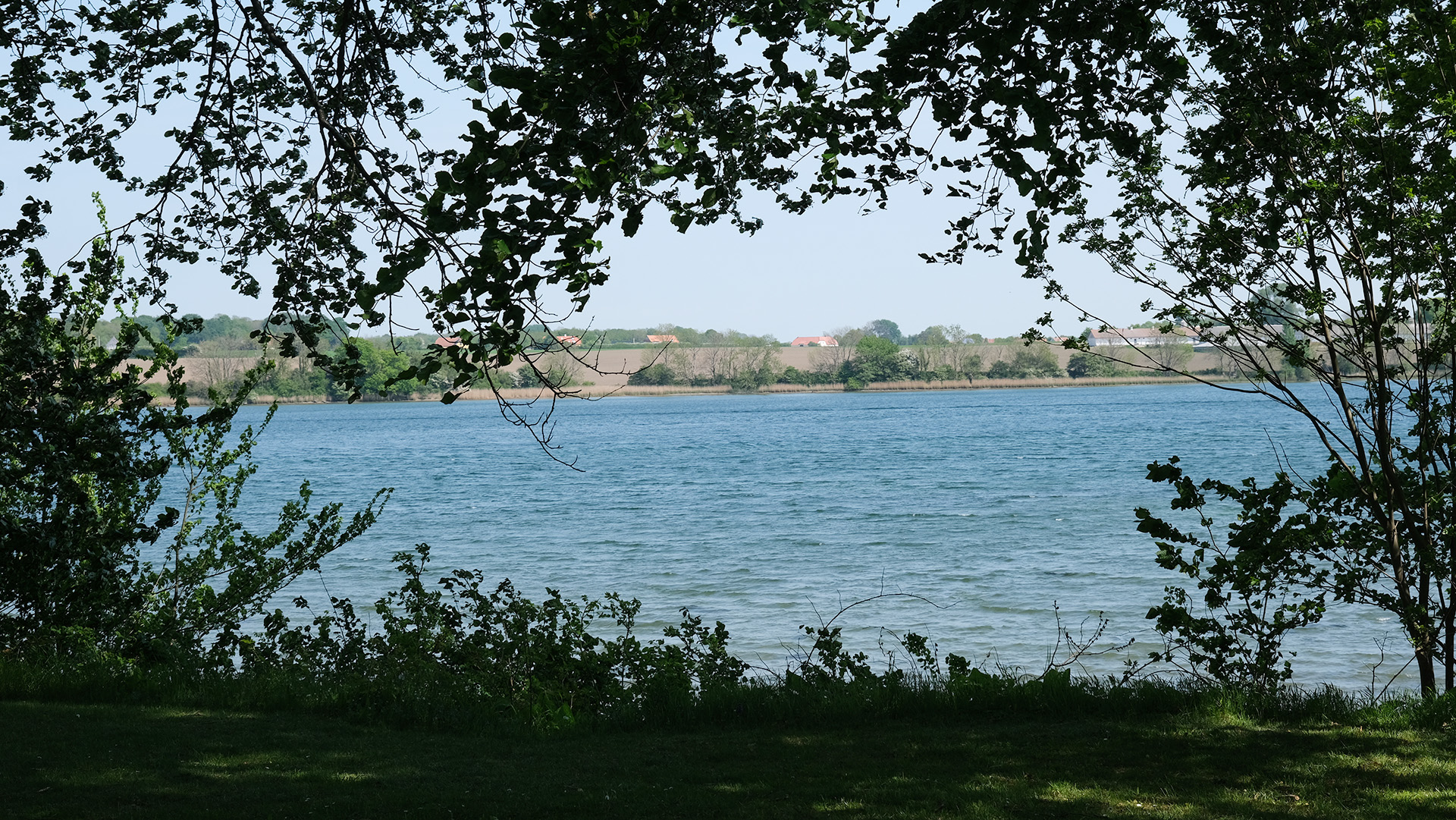
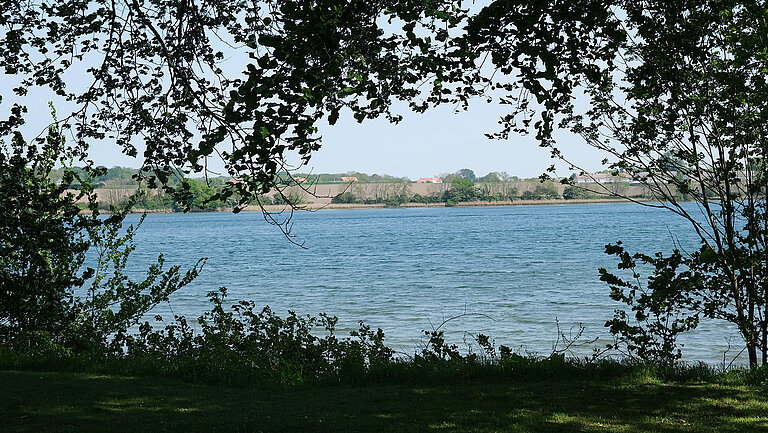
Subgoal 4 of RECOVER focuses on social and societal acceptance. To ensure that measures adopted at a political level also work in practice, the project is investigating which measures are well received by the stakeholders and how they compare across Schleswig-Holstein and Southern Denmark. Photo:SDU
The effectiveness of measures to restore ecosystems largely depend on their social acceptance. This subgoal examines how such measures are perceived by different stakeholder groups. The main stakeholder groups that will be included are from the agricultural sector and from the local general public. This approach considers the fact that much of the discharge into the sea originates on land, suggesting that corresponding measures must be undertaken on a cross-sectoral basis. A particular focus is placed on comparing governance approaches in Germany and Denmark.
Key activities:
- Conducting interviews with relevant stakeholder groups
- Data collection on environmental perceptions and issues in the public
- Comparing different policy strategies and governance approaches
- Identification of successful practical examples
The results will be presented in various formats and will inform recommendations for policymakers and practitioners.
The aim is to improve understanding and acceptance of environmental measures.
Subgoal 5: First steps towards a digital twin of the south-western Baltic Sea
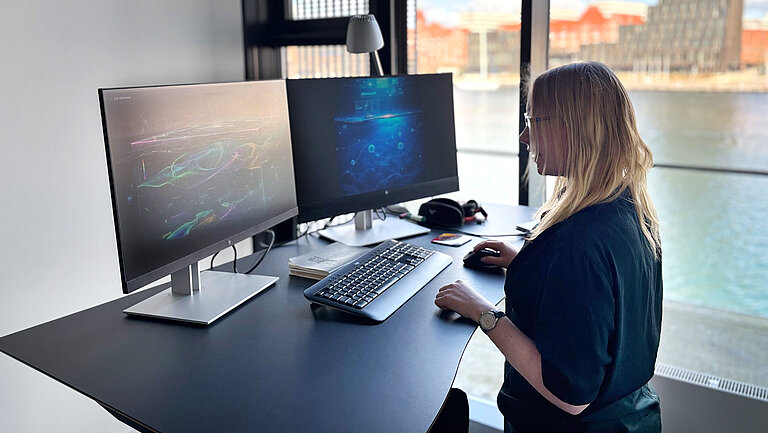
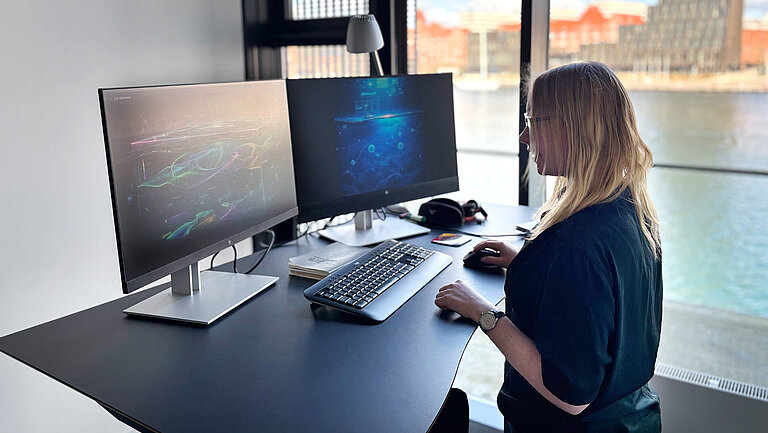
In the digital twin of the south-western Baltic Sea, all the data that has been collected and compiled is combined with a Baltic Sea model to create a digital representation of the south-western Baltic Sea. This allows various measures to be tested virtually before policy decisions are taken. Photo: SDU
This subgoal involves the development of first steps towards a digital twin of the south-western Baltic Sea. The aim is to use data, models, and artificial intelligence methods to improve our understanding of the ecosystem's dynamics and simulate future developments. To this end, various data sources, including those from subgoal 2, will be consolidated and combined with existing ocean models. Based on this, various scenarios can be calculated and the impact of measures analysed. A visualisation tool will present the results clearly and support decision-making processes in policy and practice.
Key activities:
- Harmonisation of data standards and quality criteria
- Further development of modelling approaches
- Use of AI to predict environmental changes
- Simulation of different management scenarios
- Development of an interactive visualisation tool
Focus on results: Simulation of scenarios and evaluation of measures
-
Project lead: Prof. Dr. Anja Engel
GEOMAR Helmholtz Centre
for Ocean Research Kiel
Wischhofstraße 1 - 3, D-24148 Kiel
Phone: +49 431 600-1510
Mail: aengel(at)geomar.deProject coordination: Gesine Ramm
GEOMAR Helmholtz Centre
for Ocean Research Kiel
Wischhofstraße 1 - 3, D-24148 Kiel
Phone: +49 431 600-1245
E-Mail: gramm(at)geomar.de
-
-
► Aquaspect-Project: Automated identification of zooplankton using AI
► Recover-Projekt: Interreg Project for finding and evaluating restoration measures for the Baltic Sea in the German-Danish area
► Time Series Station Boknis Eck: Storymap