Alkalinity enhancement in the ocean mimics the natural process of rock weathering, which has helped to stabilize the Earth's climate over the past billions of years. Now, however, the carbon dioxide input caused by humans is about a hundred times too fast to be balanced by natural weathering.
The direct addition of alkaline minerals to the sea has the same effect: the pH value rises and the CO2 concentration in the surface ocean decreases as a result. As the ocean and atmosphere strive to balance each other out, more CO₂ is transported from the atmosphere into the ocean. Alkalinity enhancement is considered a promising CDR (carbon dioxide removal) measure, both in terms of its potential and concrete feasibility.
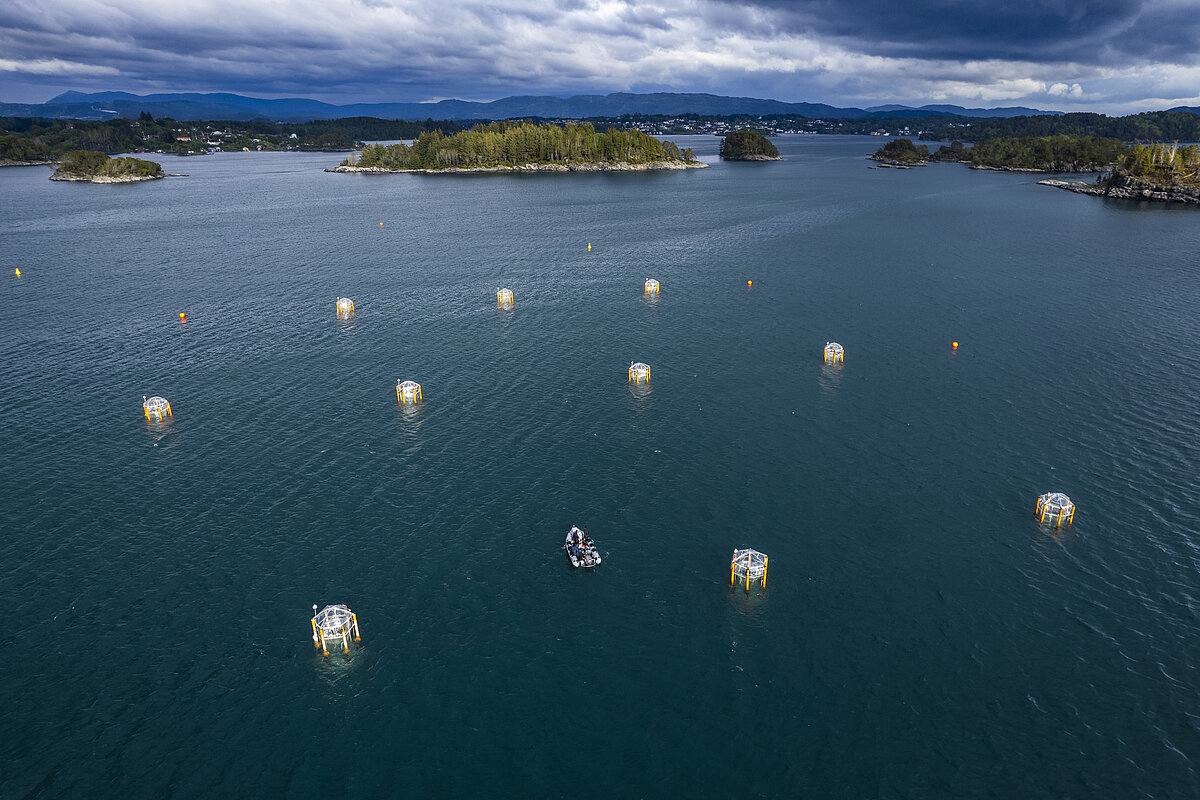
In the RETAKE and OCEAN ALK-ALIGN projects, we are investigating the effects of alkalinization on the pelagic biocoenosis and the consequences for the pelagic biogeochemistry.
Head of the project group Biogeochemical Processes (BI/BP): Prof. Dr. Rainer Kiko GEOMAR Helmholtz Centre for Ocean Research Kiel Seefischmarkt / building 5 Wischhofstrasse 1 - 3 24148 Kiel / Germany Phone: +49/ (0)431 600-1510 email: rkiko(at)geomar.de
We use cookies to give you the best possible experience on our website. Some cookies are technically necessary, others help us to improve our services. You decide which cookies you allow.
Required for the basic functions of the website, e.g. to store your cookie settings. These cannot be switched off.
OffOn
Help us understand how the website is used so that we can improve it. The analysis runs anonymously on our own servers.
Details about Matomo analysisShowHide
If you consent to our analysis using the Matomo program, we will collect, store, and evaluate the following:
Information about the device type, browser type, and version used.
The user’s operating system
Type and Status of HTML Requests to the GEOMAR Website
The IP address of the user’s device. The full IP address is collected, used for analysis, and stored. However, it is displayed only in anonymized form in the analysis.
Date and time of access
Websites from which the user’s device accessed the GEOMAR website.
The addresses (URLs) visited on the GEOMAR website