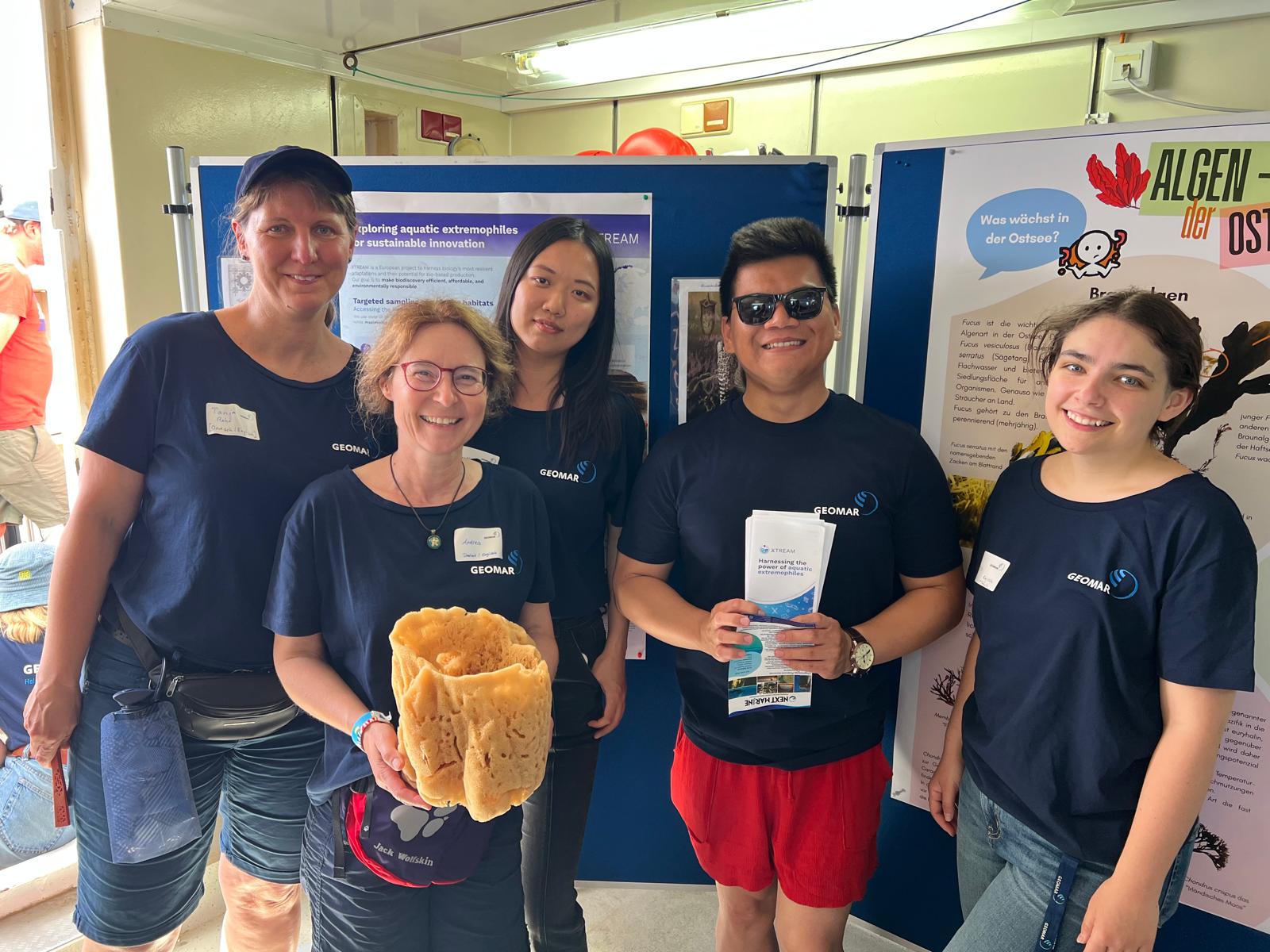
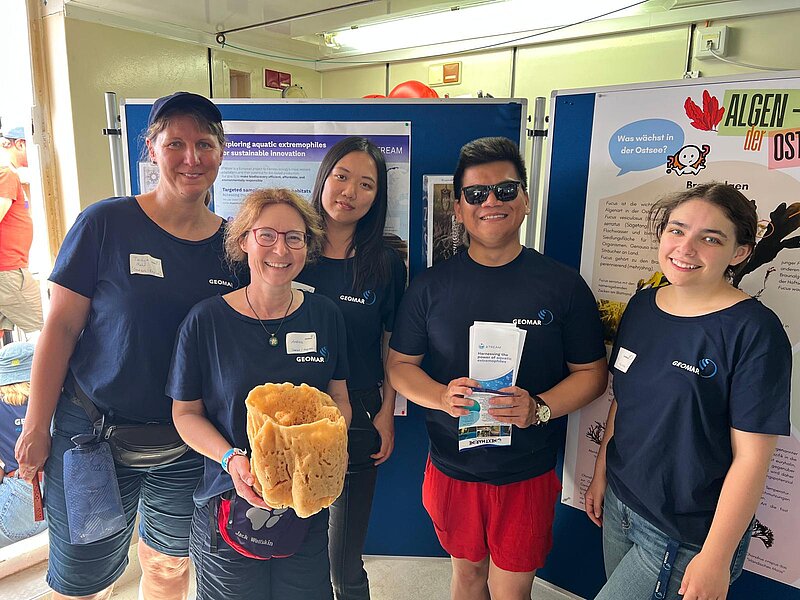
On August 30, 2026, GEOMAR opened its doors to the public from 11 am to 5 pm at its Ostufer (Seefischmarkt) location. Numerous visitors had the opportunity to take a look behind the scenes, ask questions, marvel, touch, listen - and experience the diversity of ocean research at our institution. Information booths, presentations, heavy equipment, new construction, the library, a view of the fjord: it’s all here.
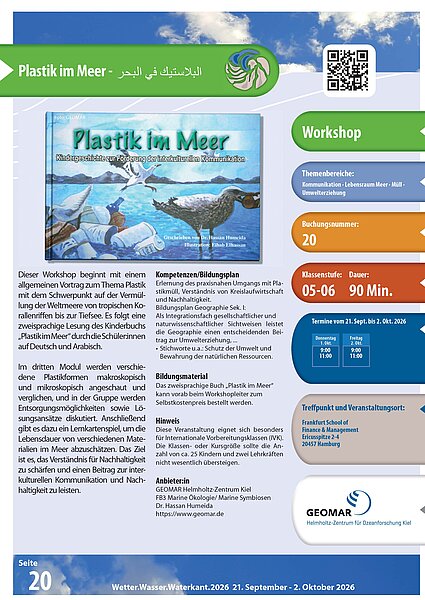
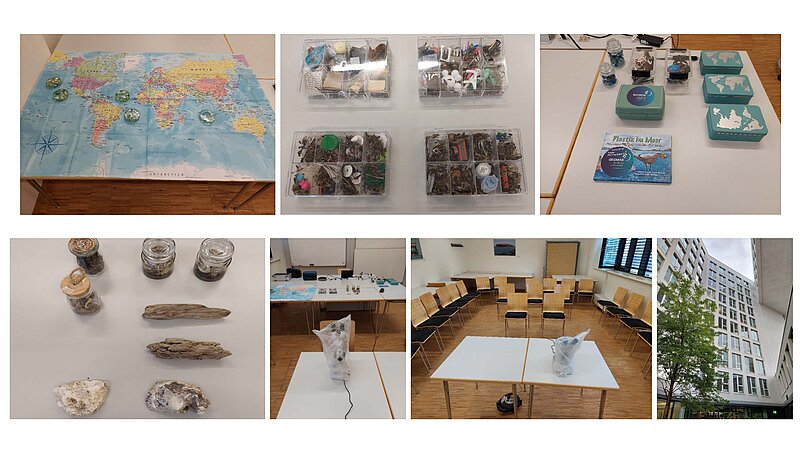
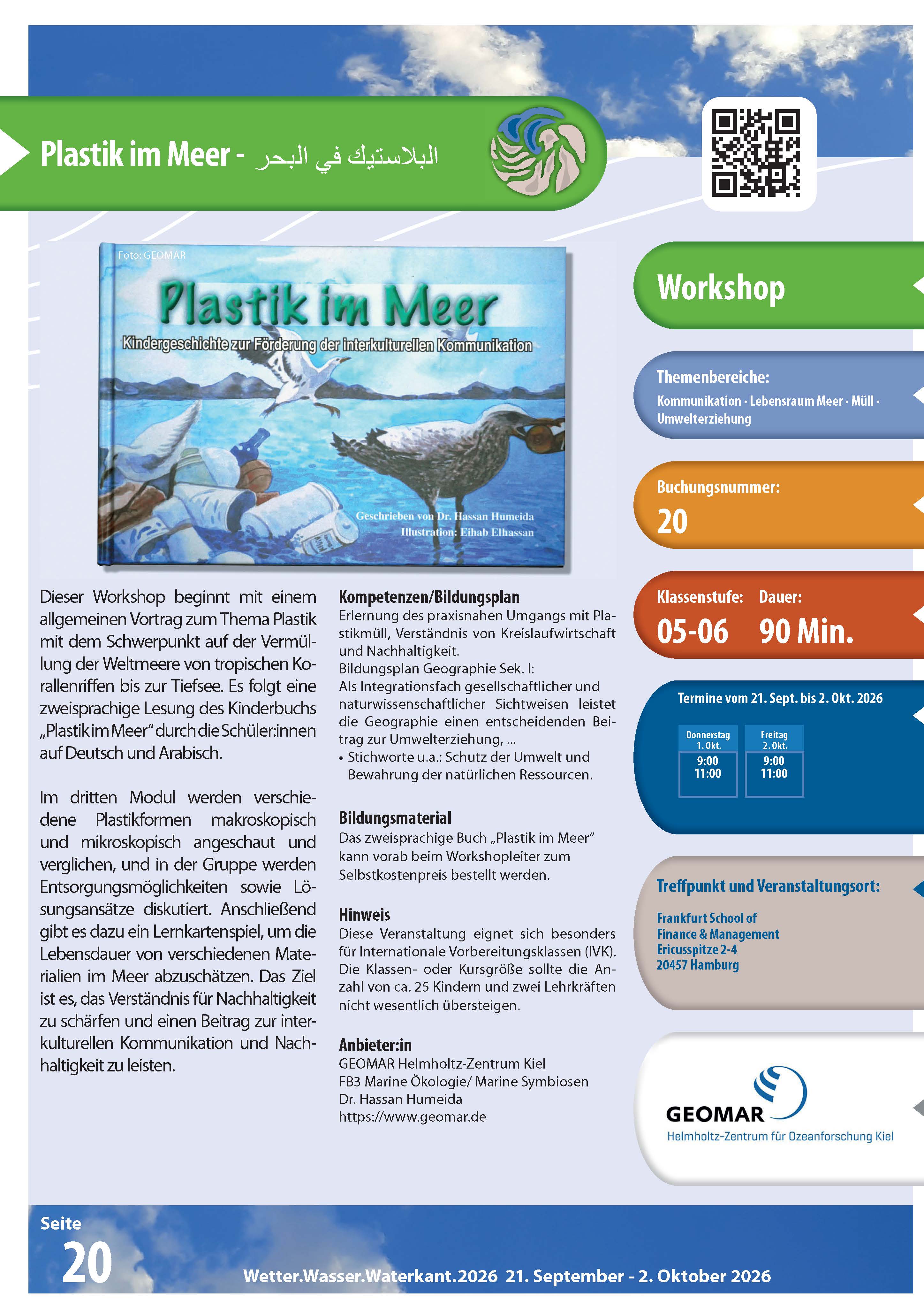
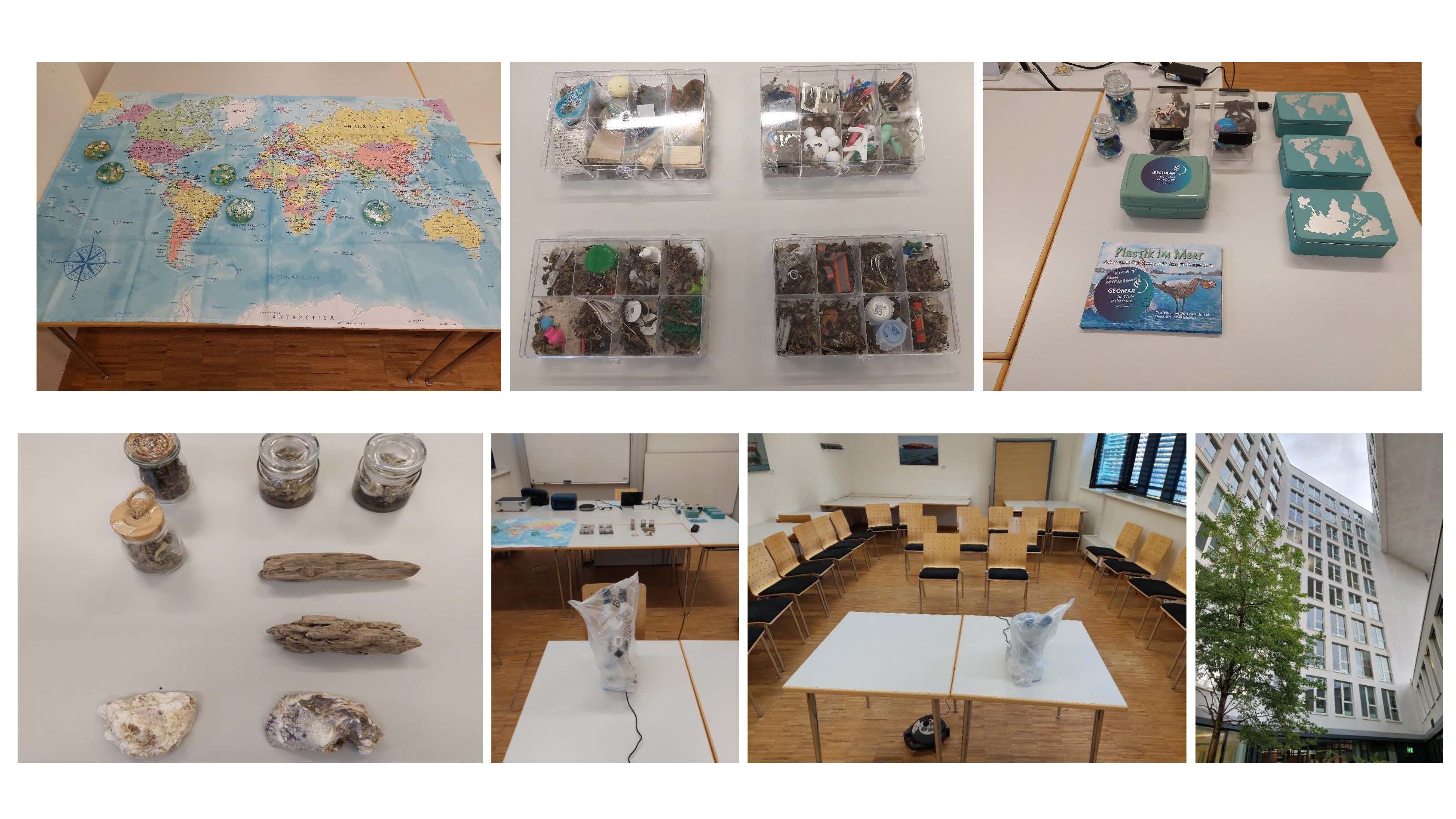
During our reading sessions from the children's books 'The Conference of Marine Inhabitants' and 'Plastic in the Ocean' (Author: Dr. Hassan Humeida), we were able to win the hearts of our youngest visitors. We enjoyed explaining the global problem of marine littering to them in simple terms and encouraging them to use plastic materials consciously.
The Open Day at GEOMAR is part of the district festival “AHOI Ostufer: Fish, Research and Pleasure.”Further information is available here.


![[Translate to English:] Tag der offenen Tür 2026](/fileadmin/content/forschen/fb3/ms/outreach/Tag_der_offenen_T%C3%BCr_2026.jpg)